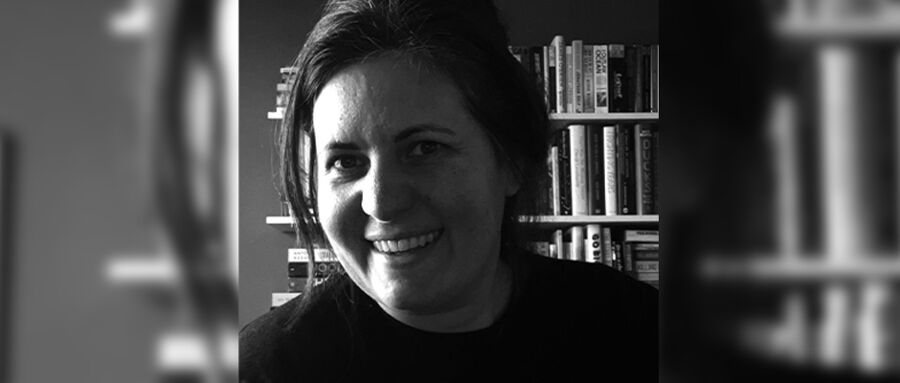
Michelle Strauss
Law PhD
Michelle's journey to a PhD at Birmingham City University was shaped by her previous work animal rights and environmental activism. Motivated by a desire to critically examine these issues from outside traditional legal practice, she found her academic home at BCU, drawn to our dynamic law community of researchers focused on nature, animals, and human rights. Her research, blending animal and environmental law, reflects a deep commitment to justice for all species and her belief in the power of academia to drive meaningful change.
"I didn’t always want to study for a PhD. When I finished my undergraduate degree, I was very eager to go straight into the workforce, and further study was not a consideration for me until about 10 years later.
My journey to BCU started several years earlier when I became involved in animal rights and environmental activism. I used my legal expertise to assist charities and grassroots groups in this area. For example, I helped to draft objections to planning applications for intensive animal agriculture facilities. I started to see systemic problems with the law, problems that can’t be changed by working within the system.
Whilst I think activism work is hugely valuable, I think there is a real need to step outside the practice of law and critically examine it to address systemic problems. This is what led me to my PhD research.
I chose BCU because it has a talented, smart and dynamic group of academics working on issues of nature, animals and human rights. My supervisors have provided me with the perfect balance of space to pursue my interests with the knowledge that they are always there for support, a critical eye and feedback. I am motivated by the fact that I really enjoy what I am researching.
I have always had an awareness of environmental issues, and a concern for animal welfare. It wasn’t until I got my dog that I started to see non-human animals in a completely different way. I wasn’t prepared for how smart, funny and unique this little furry individual would be. My relationship with my dog made me reconsider my interactions with other species, considering my place in the world, anthropocentrism and concepts I had previously taken for granted.
It took off from there, with my interest in animal law spurring my interest in environmental law. My research now blends these two interests perfectly, reflecting a key issue: we live in an entangled world and how we treat non-human animals and the environment matters.
It has been easy to fit into the research community. I live quite far from campus, but this hasn’t proven an issue in accessing the research community. When I joined BCU, I was made to feel very welcome. As part of the first year of the PhD, I undertook a six-month course in research skills. It was such a nice way to ease back into university study – everyone here at BCU so kind, friendly and down to earth. Everyone was so patient with me as I transitioned back into the world of studying.
Over the course of my PhD, I think I have changed in a lot of ways, such as becoming more analytical with how I approach issues. I have also learned the value of critical feedback, which has made me more resilient and confident in my ideas. The joy in research is that being wrong is a way of learning and discovery, which I found really liberating!
My proudest moments as a BCU PhD student have been presenting at the UK animal law conference we hosted here at BCU in 2024 and winning first place in the Cambridge Centre for Animal Rights Law Essay Competition in 2025. I always considered myself a very average student, so winning this prize has been a boost to my confidence but also a nod of approval for the ideas and concepts that I have been exploring in my research. I would not have won this prize had it not been for the last two years at BCU.
For me, IAMBCU means being proud of diversity in all its forms – in people, in ideas and ways of learning and doing."