Deafblind UK
Centre for Education and Research
The First Deafblind Academic Hub in the UK
The Deafblind UK Centre for Education and Research at Birmingham City University is the UK’s only academic hub that focuses solely on deafblindness.
Together with other researchers, practitioners and the deafblind community, we work on a range of studies, both nationally and internationally, to deepen our understanding of deafblindness/dual sensory loss and its psychosocial impact, and to ensure that deafblind people are seen, heard and supported.
At the heart of our work is a commitment to amplify the voice of the deafblind population; deafblind people contribute at every stage of our research from conception, methodology, participation and supporting dissemination.


Birmingham City University Deafblind UK Centre to transform Lives, Education and Research
The Deafblind UK Centre for Education and Research connects researchers, practitioners, and people living with deafblindness, to increase knowledge and raise awareness of the condition.

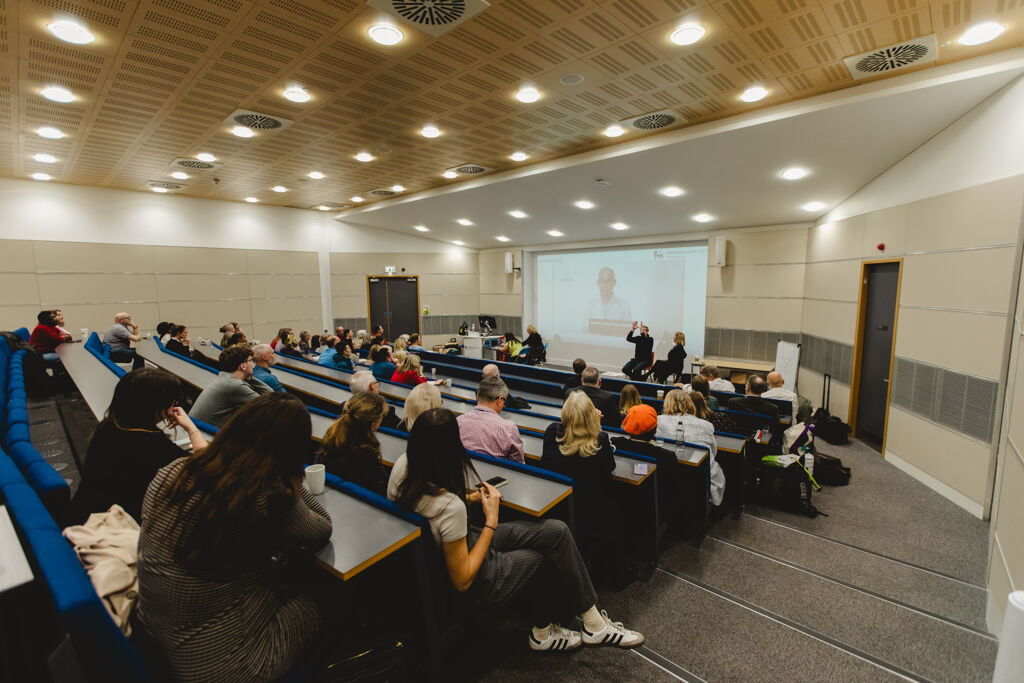
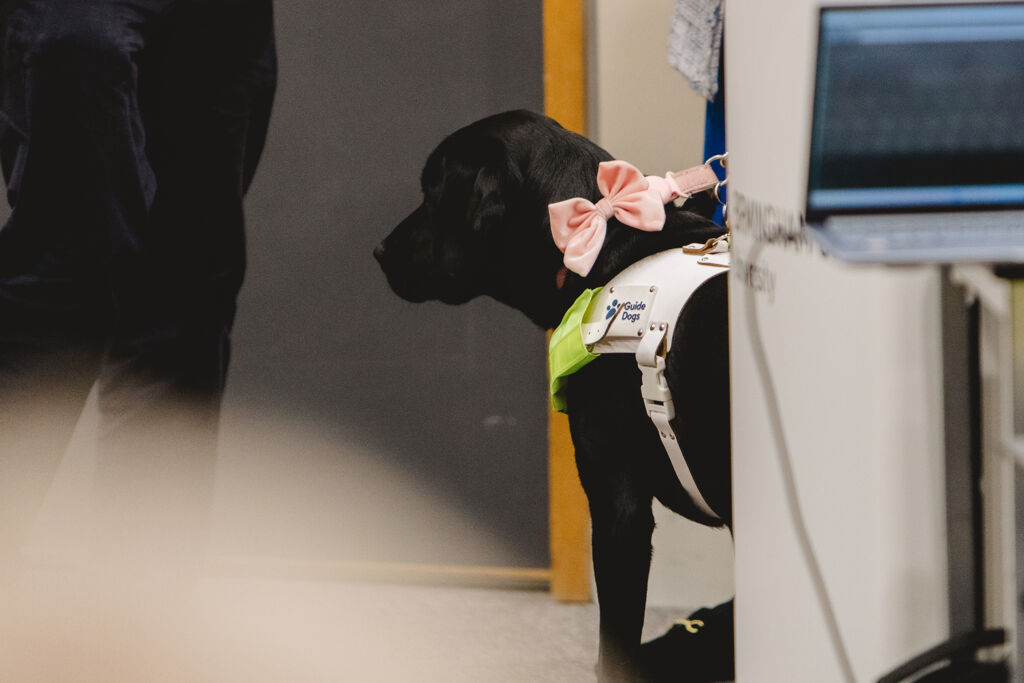
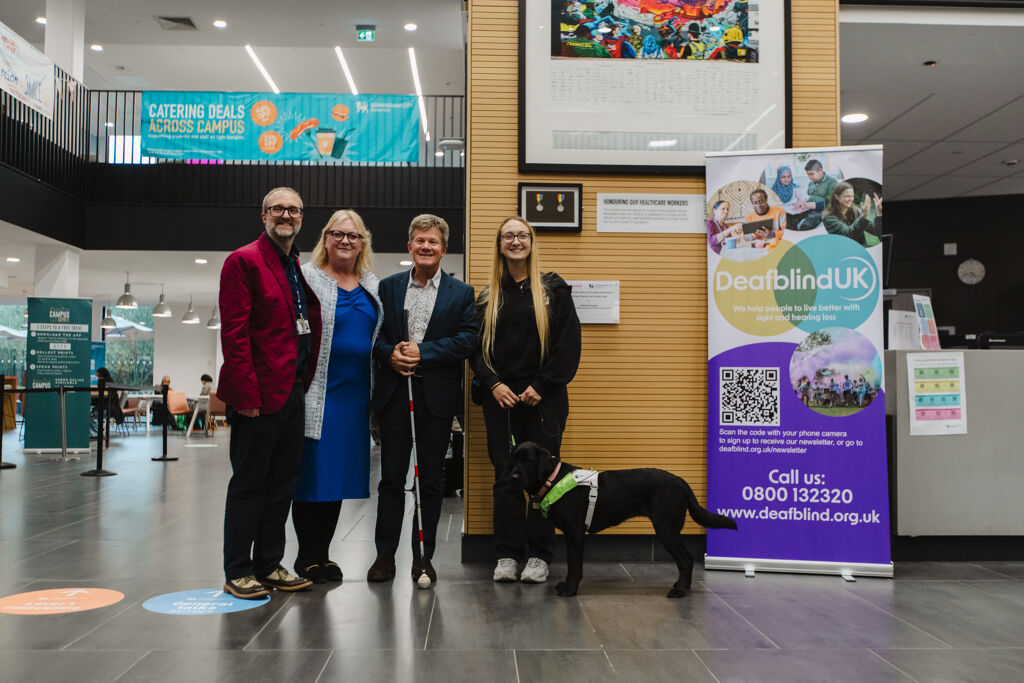
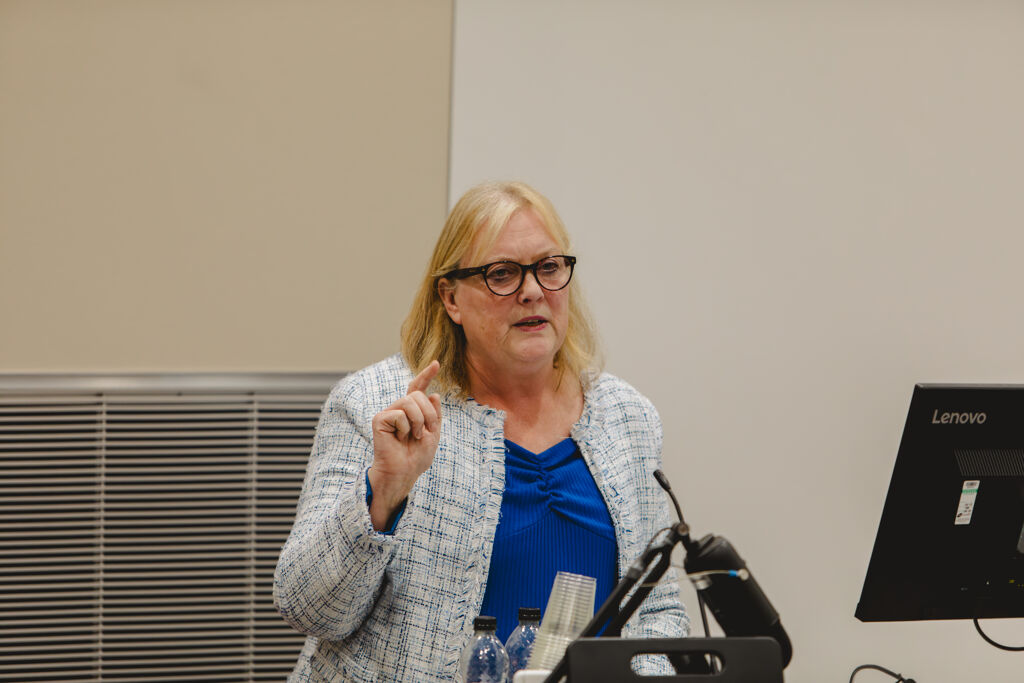
Deafblind UK Centre for Education and Research Launch Event
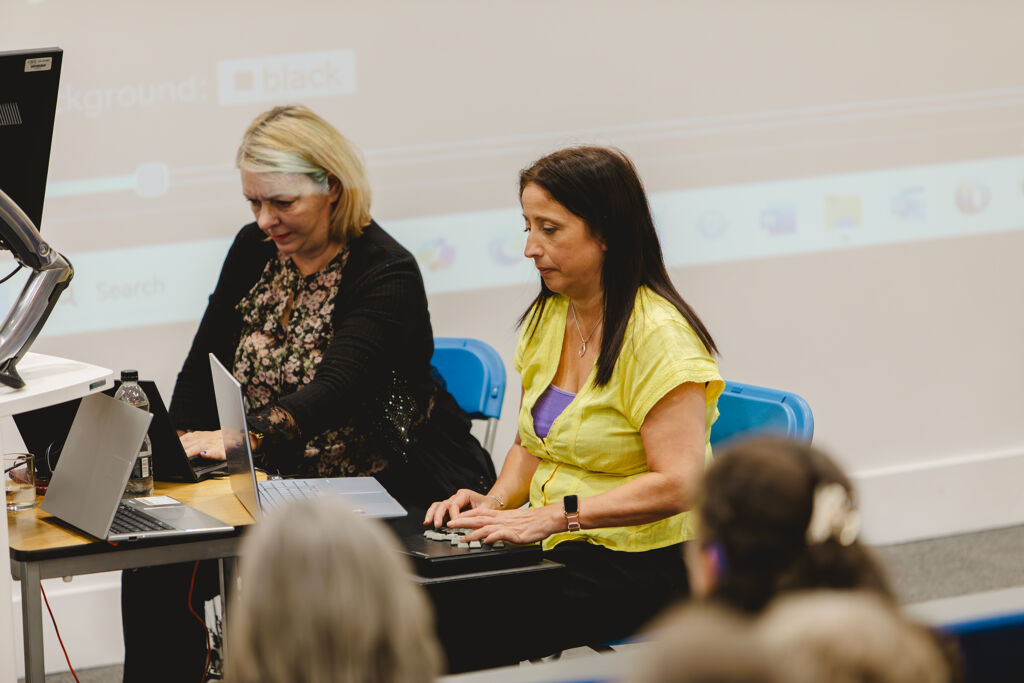
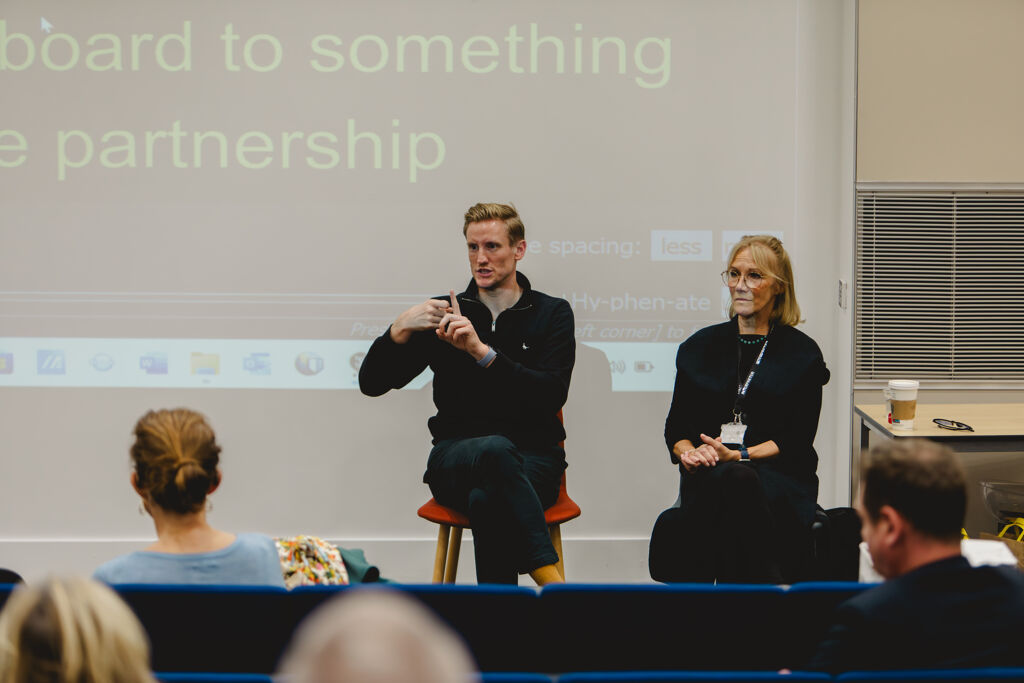
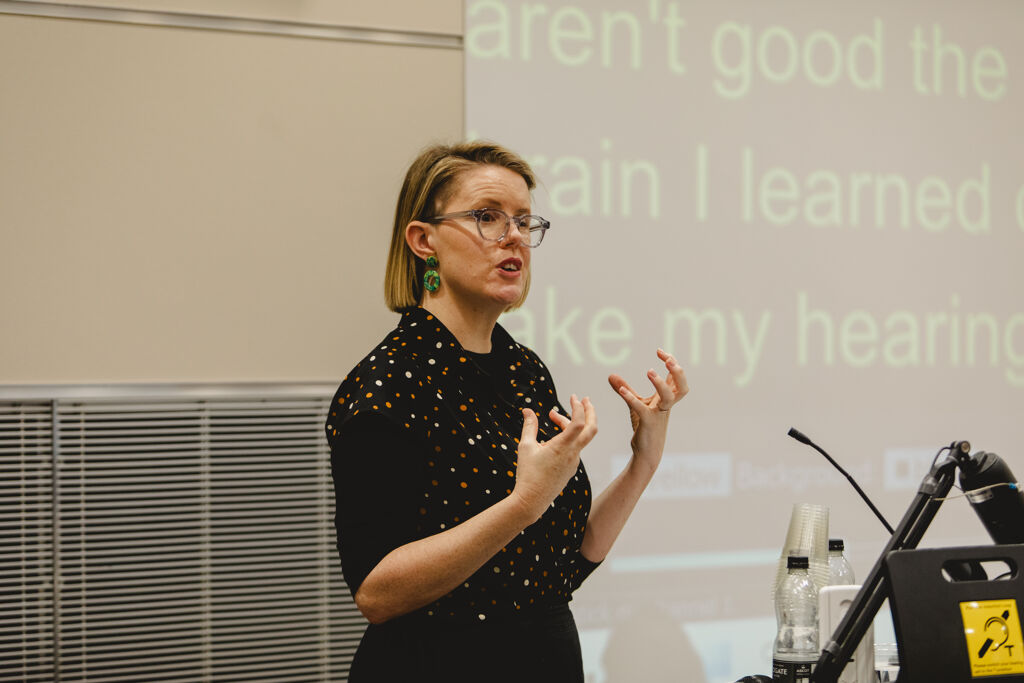
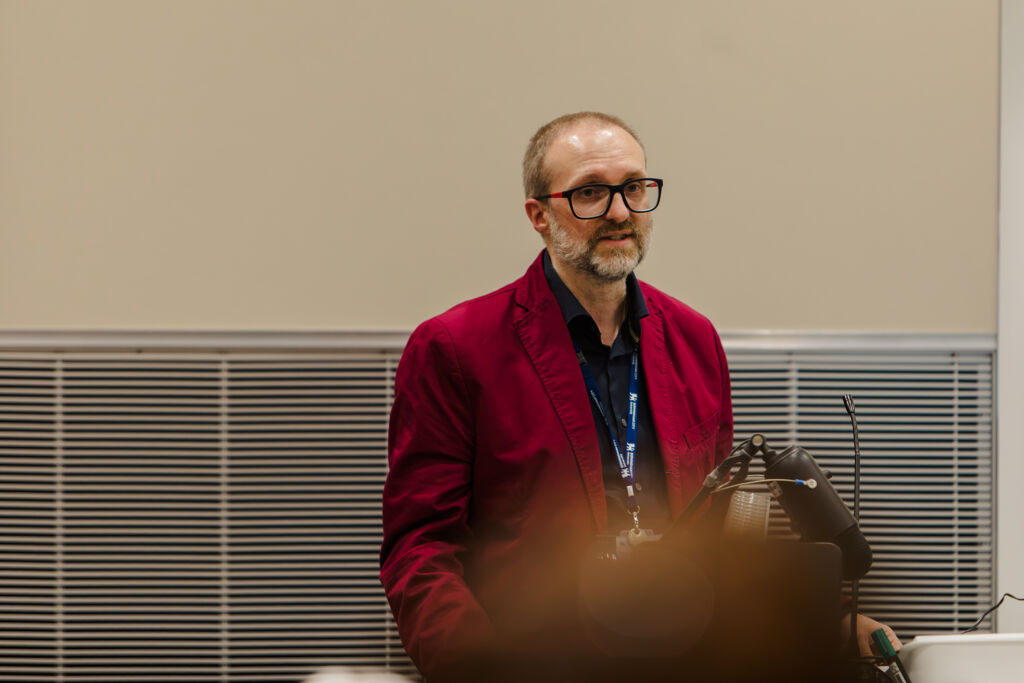
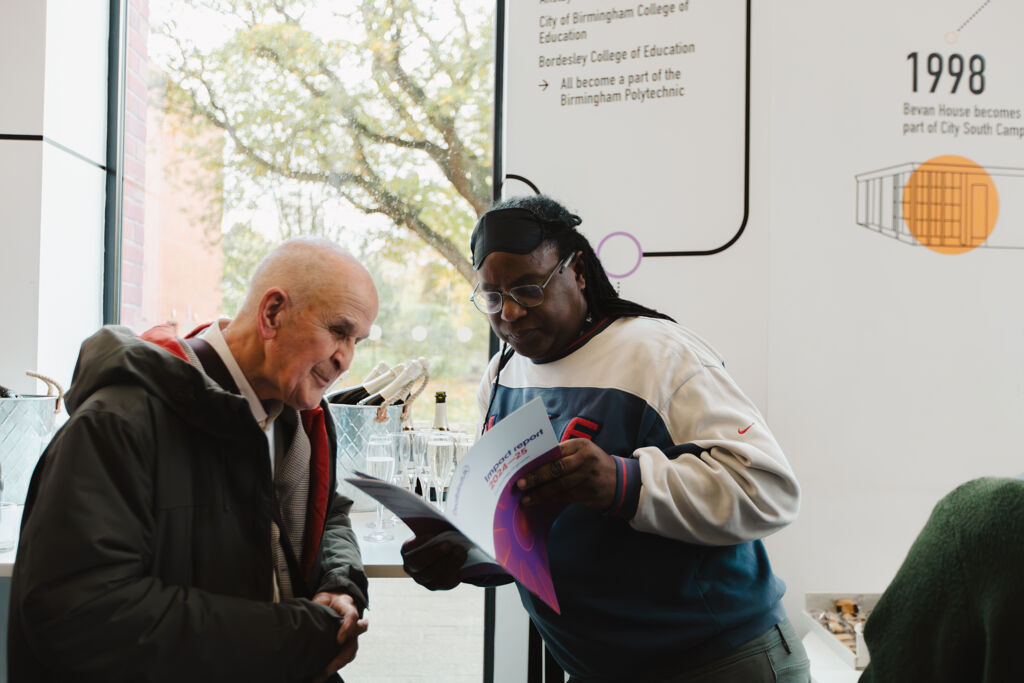
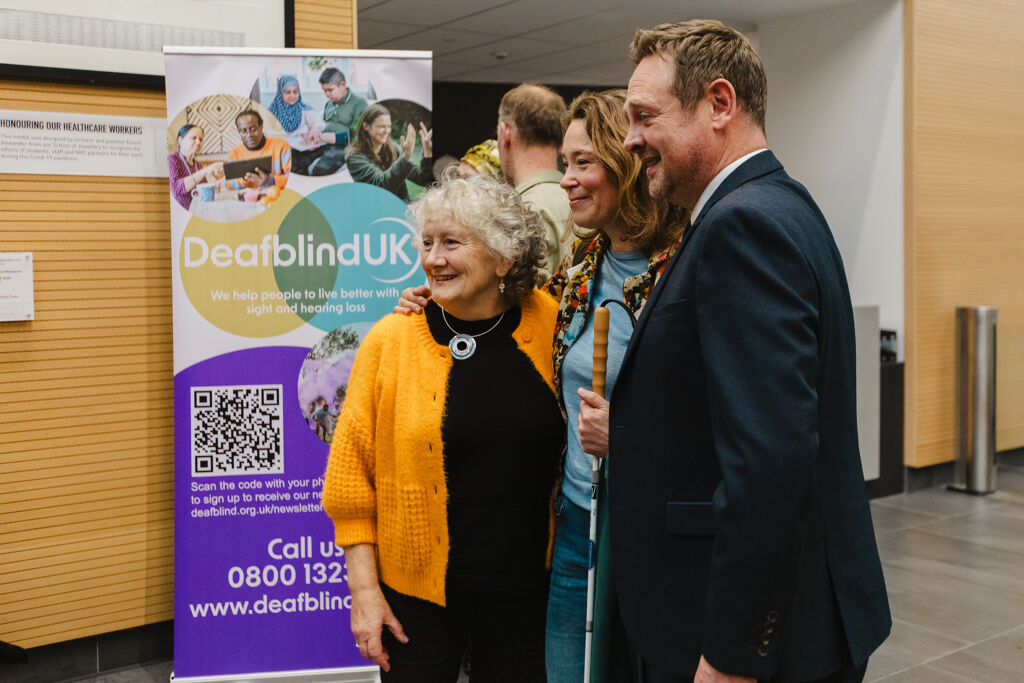
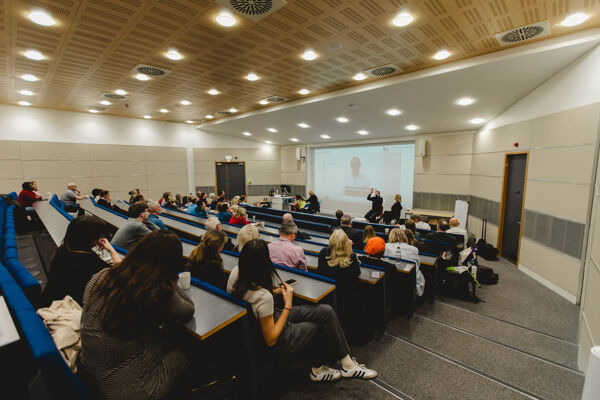
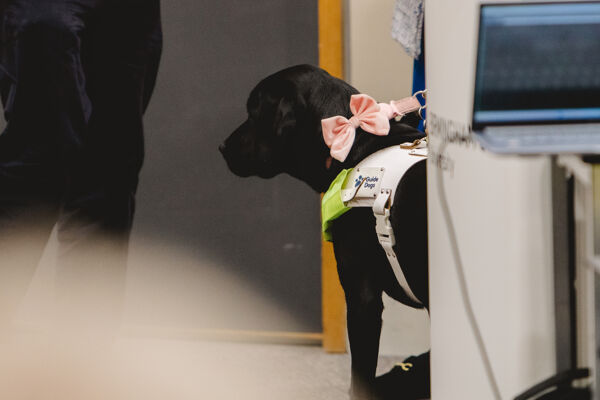
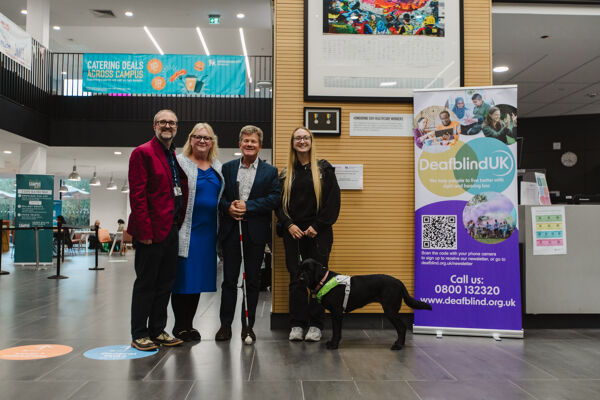
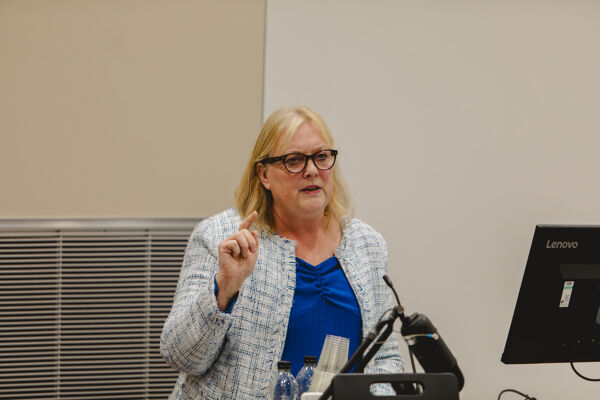
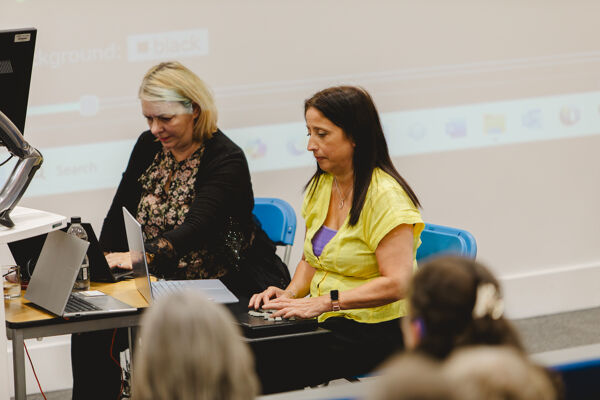
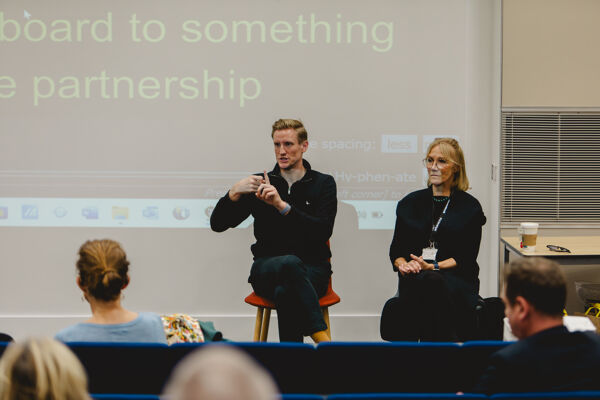
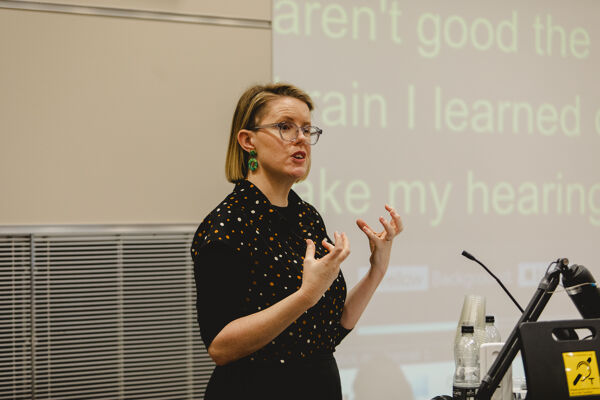
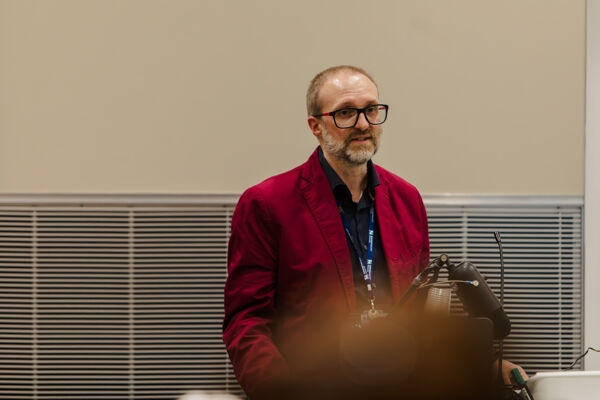
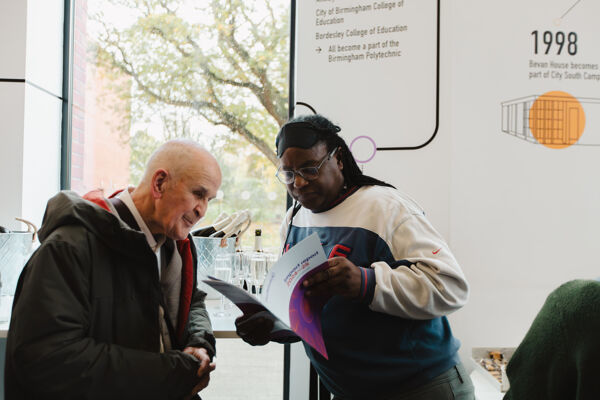
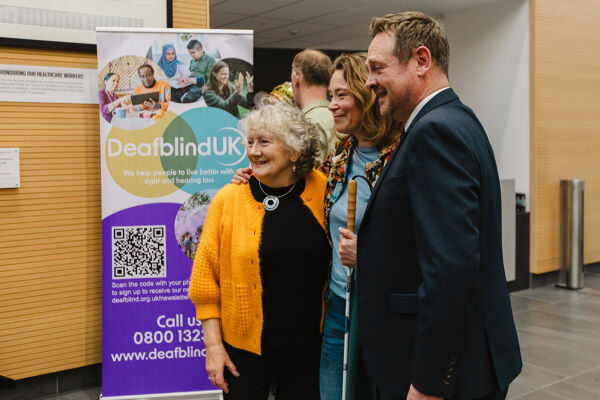
The Deafblind UK Centre for Education and Research launched officially on 23 October 2025 at Birmingham City University. Photographs of the event can be viewed below.




What is Deafblindness?
Deafblindness, sometimes called Dual Sensory Impairment, is combined deafness/hearing impairment and vision impairment that results in significant and unique challenges because impairment in one sense means it cannot compensate for the loss of the other. It is a distinct disability. Deafblindness exists on a broad spectrum, with levels of hearing and sight loss, age and order of onset, and preferred communication modalities varying greatly between individuals; combined profound deafness and total blindness is extremely rare.
As a dual-sensory disability, deafblindness uniquely affects a person’s access to information, mobility, and communication, since reduced visual and auditory input limits the ability to receive environmental cues, interact socially, and navigate safely and independently.

Meet the Centre Lead
Dr Peter Simcock is Associate Professor of Social Work and Centre Lead for the Deafblind UK Centre for Education and Research.

Current projects
-
Navigating Touch in Deafblind Practice: From Complexity to Professional Guidance
Funded by: BCU Early Career Researchers Internal Funding Research Competition for 2025/2026
-
Wellbeing in Wales, is it for all?
An exploration of the social care experiences of deafblind adults in Wales, post implementation of the Social Services and Wellbeing (Wales) Act 2014.
Funded by British Academy/Leverhulme Small Research Grants SRG 2025, derived from the Academy’s partnership with the Wellcome.
-
Growing Up and Being Deafblind
An international project analysing comparative case studies from the Global South and North to illuminate enablers that lead towards the achievement of the UN Sustainable Development Goals.
Funded by Global North/Global South: Canadian Hearing Services Global Partnerships for Research & Innovation, Quebec Vision Health Research Network.
Deafblind Studies (Certificate or Diploma)
The Certificate and Diploma in Professional Studies (Deafblind Studies) courses at Birmingham City University are based on the belief that all people living with deafblindness have a right to be supported by professionals who have the requisite knowledge and skills to provide high quality service.
Press releases, publications and presentations
Contact
For more information about the work of the Deafblind UK Centre for Education and Research, please contact centre lead peter.simcock@bcu.ac.uk or research assistant Claire Manford at claire.manford@bcu.ac.uk.