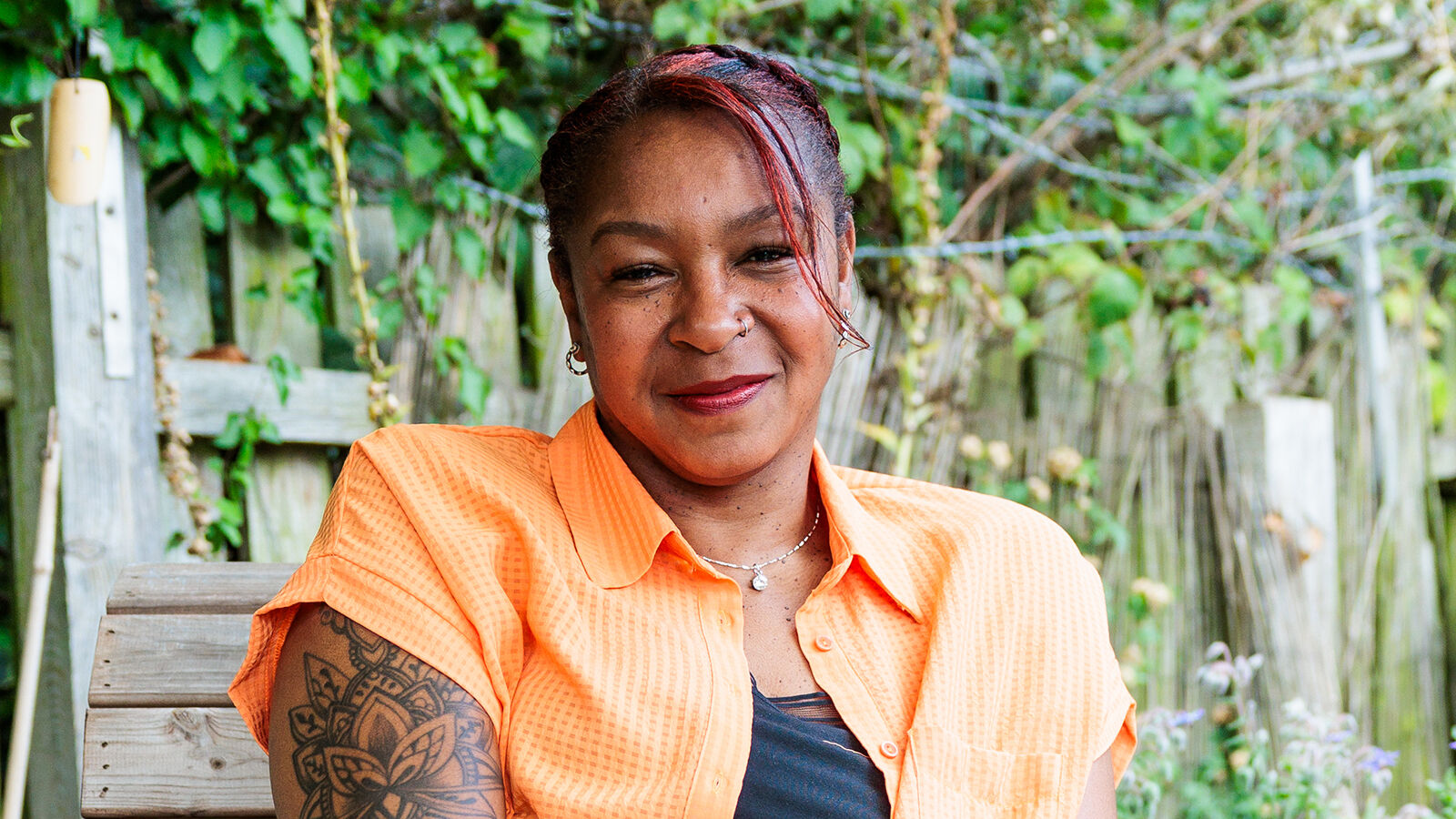
Jaye Ryan
Associate Professor, School of Nursing and Midwifery
Tell us about your career journey
My career journey has spanned more than four decades across clinical practice, education and research. I began my career as a nurse back in the 1980s. I navigated structural and institutional barriers to finally leave my clinical position as a modern-day Band 7 Senior Sister within a busy Paediatric Intensive Care Unit, now called Birmingham Women’s and Children’s Hospital. I moved into Higher Education (HE) in 2003, where I discovered a passion for teaching and learning within the nursing provisions at BCU.
Throughout my career, I have combined teaching, scholarship and leadership with a strong commitment to widening participation and creating opportunities for students from diverse educational backgrounds. I accomplished several ambitions in the 2025/26 academic year by being conferred as an Associate Professor, being awarded a Doctor of Education and becoming a Principal Fellow of Advance HE. As an Associate Professor, I lead and contribute to undergraduate and postgraduate education, supervise Master’s and doctoral students, as well as collaborate on professional and research initiatives nationally and internationally.
My journey has not followed a traditional path, but it has been shaped by resilience and the determination to make a meaningful difference to students, communities and the nursing profession.
What areas of research are you particularly interested in?
My research interests have always centred on learning and the importance of equity. I am particularly interested in inclusive educational practice, widening participation, the experiences of underrepresented groups within HE and, in more recent years, patient and public involvement within research. Much of my work explores how individuals experience teaching and learning, and how institutions can and should create environments that support success for everyone.
I am passionate about research that has a practical impact and contributes to improving outcomes for students, patients, families and those within the wider community. Having reflected on my own challenges, I am becoming increasingly interested in leadership, professional identity and the advancement of equality, diversity and inclusion within HE, particularly in relation to the experiences of Black women and other underrepresented groups.
What challenges have you faced in academia?
As a Black woman in academia, I have encountered challenges that many colleagues from underrepresented backgrounds will recognise. At times, this has included navigating environments where there are few people who share similar lived experiences, feeling the pressure to continually prove my credibility and managing expectations above and beyond my formal role. I have also experienced the challenge of balancing multiple responsibilities across teaching, research and leadership, while remaining committed to supporting students and colleagues.
Like many academics, I have had to learn how to advocate for myself, recognise my value and ensure that my achievements are visible – all of which have taken me out of my comfort zone. Despite these challenges, I have been fortunate to work alongside supportive colleagues and mentors. These experiences have strengthened my commitment to creating more inclusive and equitable academic environments for our future students.
What are your hopes and aspirations for completing the programme?
Being selected for the 100 Black Women Professors NOW programme has been both an honour and an opportunity. I hope the programme will continue to support my progression towards a professorial role by helping me strengthen my leadership profile, expand my professional networks and increase the visibility and impact of my work.
Beyond my own career aspirations, I hope to contribute to the wider mission of the programme by supporting and developing meaningful change within HE. Representation is key, and I want to play my part by ensuring that future generations of Black women entering academia can see clear pathways to leadership and success.
The programme has already encouraged me to think more strategically about my career goals and aspirations, as well as the influence I can have within the sector. My aspiration is not only to achieve personal progression but also to use my position to support others, challenge barriers and help create a more equitable and inclusive future.