Not sure where to start with revision? Or finding it hard to remember what you’ve studied? You’re not alone.
We’ve explored popular study advice, research-backed techniques, and even the latest TikTok trends to bring you a list of effective revision methods that work for any exam or assessment. These techniques can help you understand information more easily and recall it when it matters most in your exams.
In this guide, you'll learn:
- The best research-backed revision methods
- How to use each technique effectively
- How to find the right method for you and your learning style
Struggling with revision?
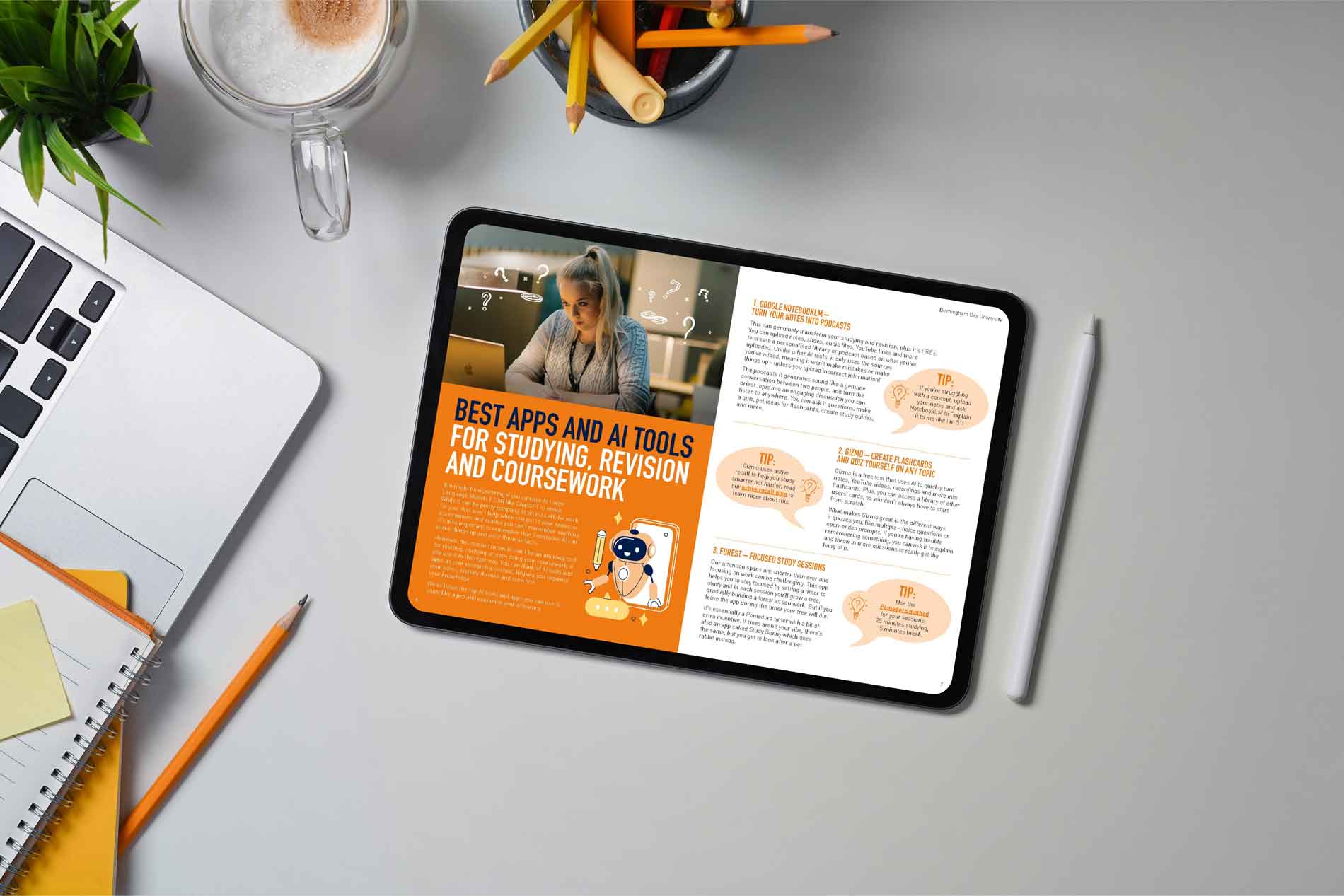
Get your FREE guide packed with expert study tips, a step-by-step timetable planner, essential AI learning tools, and more to smash your exams.
Here's our list of the seven best revision techniques:
1. Pomodoro for focus
Pomo what? This is a great technique if you're having trouble concentrating. The Pomodoro method follows a basic pattern of 25 minutes of studying followed by a five-minute break. If you do four of these in a row you can then have a longer break. It works because you learn better in short sessions, and you don’t have to punish yourself with unbroken hours of revision. Find out more about using the Pomodoro Technique.
2. Spaced repetition and the 2357 method
Spaced repetition is a scientifically proven method that involves reviewing information at closer intervals, boosting your memory, and making it less likely you’ll forget everything. The 2357 method is a way to plan out your revision sessions as you get closer to exams.
3. Flashcards for the win
Flashcards, or revision cards, are a tried and tested revision technique and there are so many ways to use them. You can use them to remember words and definitions, facts, quotes and more, but generally smaller chunks of information. Learn how to use flashcards to revise effectively.
4. Blurting
Blurting is a great revision technique you might have seen all over TikTok. It's all about testing yourself repeatedly and it engages active recall to help you remember. Find out how to blurt your way to success with our step-by-step process.
5. The Feynman Technique
This technique was developed by an award-winning physicist, Richard Feynman, who said the secret to his success was using his very own study method - The Feynman Technique! There are four simple steps to his technique:
- Choose the topic you need to learn and try to remember as much as you can from your notes.
- Teach it to someone else in simple terms, only referring to your notes when you really need to. You can do this by explaining the concept to a friend or family member or pretending to explain it to a child. The idea is that if a child can understand it, then you know the topic enough to simplify it.
- Review and learn any gaps in your knowledge.
- Teach it or pretend to teach someone else again. Use your notes less and less as you repeat the process.
Simplifying the topic over and over helps you memorise its key points and recall them during an exam.
6. Interleaving
Interleaving is a study method where you mix, or interleave subjects or topics. This method helps you find key differences in concepts and improves your ability to apply and transfer knowledge to different situations. This works because when you alternate between topics, your brain needs to work harder to remember and apply new knowledge.
Plan your study session by rotating between subjects. For example, if you are preparing for three exams like English, Maths, and History, you could study each one for 50 minutes followed by a 10 minute break between them. Those short blocks with breaks help with concentration. When you have finished this, you can repeat new topics or do some practice questions from each one.
This method can be helpful for students who struggle to focus for long periods on one task, including those with ADHD. Regularly switching topics helps you stay focused and prevents you from being mentally exhausted.
Testing out different revision techniques is key to find the right method for you. If you have ADHD or Dyslexia, you might find that alternative revision techniques work better. Check out advice from our Student Support Team on revising with ADHD and Dyslexia.
7. Dual Coding
Dual coding is a method that combines verbal and visual content like infographics, timelines, and diagrams. Visual content helps break down complex information. By presenting the same topic in two different ways, it helps students to remember better later.
This study method was created by Professor Allan Paivio in 1971 and says that if the brain is processing verbal and visual information together, multiple paths get created to recall from your long-term memory.
- After studying a topic, draw a diagram, timeline, or flow chart instead of writing long notes. This breaks down information to be easier and understandable.
- Use timelines for subjects like history or literature to visually organise events.
- Create labelled diagrams for scientific processes or structures.
- Summarise a page of notes using a few keywords plus simple visuals or symbols.
- Use flashcards with a question on one side and a diagram or visual prompt on the other.
Using both words and visuals together can make revision more engaging and help students recall information more easily during exams.
What type of reviser are you?
Everyone learns differently so a technique that works for your friends might not be right for you. Take our quick quiz to find out what revision methods could be the best for your learning style.