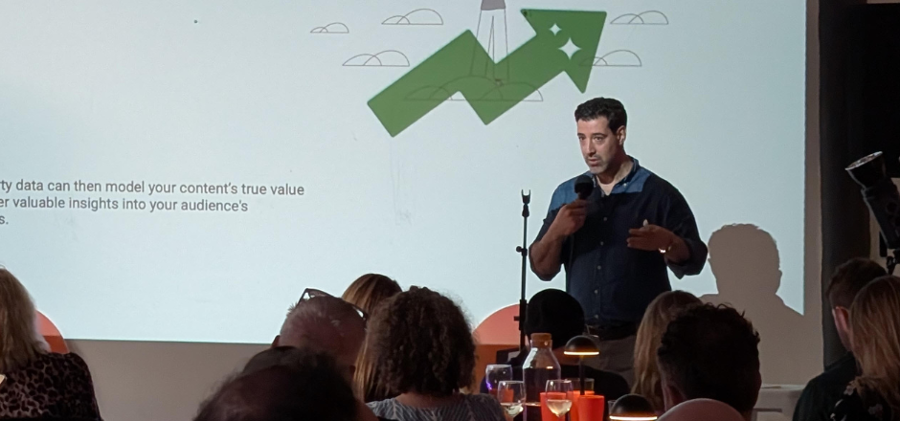
Rob Lyons
BA Journalism (Hons)
Rob’s tenacity and foresight have enabled him to enjoy a varied and exciting career in a tumultuous industry, from working with Anna Wintour at Vogue and serving as editor-in-chief of EMEA at Google, to riding the wave of content monetisation at MSN and launching international TV channels. Now based at The Wall Street Journal, Rob guides us through a career that has taken in multiple publishers, global brands and unprecedented changes.
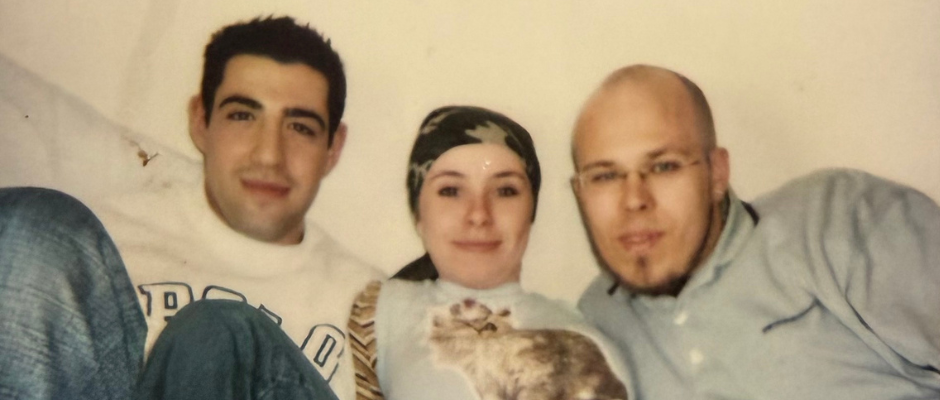
“I was always interested in journalism, having studied media and communications at school , and the University of Central England (UCE, now Birmingham City University) appealed as the Journalism course offered a lot of variety. Plus, as a Londoner, I wanted to study somewhere that still had the buzz of a big city.
“Moving to Birmingham in 2001, I discovered it had lots of culture and a great nightlife. I enjoyed spending time in Selly Oak, the Jewellery Quarter and Digbeth, as well as studying at the campus in Perry Barr. Being based in the latter was great as it had the feel of a true student community.
“While I was at UCE, my first experience was writing content for the student newspaper. I then secured work experience at the Birmingham Post and got a job at the Birmingham Evening News. I was in the mail room at the latter, as opposed to doing any writing, but I walked up to a senior editor and told him about myself and my aspirations. From there, I started writing and used that to push for more work experience. I had to be a bit ballsy and confident. You’ve got to be tenacious and keep knocking at the door – advice which is especially relevant in today’s cutthroat world of media.
“After graduating, I returned to London and worked shifts all around Fleet Street as a news reporter. I did stints with The Sun, The Daily Express, The Independent and had a fixed-term contract at the Metro. While there, I got accepted into The Daily Mail’s sub-editor training scheme and secured secondments at several regional publications before returning to the Mail as a Features Sub-Editor and later Showbiz Editor at the Mail Online.
"I loved the buzz of being in the newsroom, particularly the excitement of the daily news agenda where every day was different and the deadlines kept you constantly on your toes. However, I quickly observed that newspapers could not monetise their content. They’d be producing great stories but with print declining and digital not really making up the loss, I saw there was a huge opportunity for monetisation. That’s when I moved to Microsoft, where I was an Editor of commercial content at MSN. My role was to bridge that gap, leading branded content campaigns as well as managing e-commerce partnerships with companies as varied as eBay, Sainsbury’s and Match.com.
“I then transitioned into the world of TV, first at NBCUniversal where I launched Hayu, a subscription video-on-demand service for unscripted TV, and then at BBC Three where I was brought in to transform the former broadcaster into a digital-first publisher. From there, I worked at Conde Nast for many years as Global Managing Editor, liaising with Editors-in-Chief of Vogue, GQ, Wired and Vanity Fair from around the world. My role saw me overseeing international editorial operations. One day I could be scaling Vanity Fair’s Oscars coverage and the next I could be working with Anna Wintour on a global issue of Vogue, such as their famous September ‘New Beginnings’ edition published during the Covid pandemic. It was very exciting.
“However, after working at Microsoft I had a desire to move back into the tech world whilst keeping my editorial credentials alive. Journalism is valuable as an outlet, but it’s also a gateway to other things. If you have a creative mind combined with commercial skills, that is a superpower. And when you marry these two together, it can open up many new opportunities.
“It was this mindset that led me to move to Google as EMEA Editor-in-Chief of their B2B content platform, Think with Google. Then, I joined Salesforce before becoming Director of Global Operations and Strategic Projects at The Wall Street Journal, which is where I’m currently working.
“Having been in the journalism industry for several decades, I’ve seen some big changes. When I was a sub-editor at The Daily Mail, we’d have first and second editions. In between these, the journalists would clock off and go to the pub. That all changed when the age of digitisation arrived. And now, well, there’s hardly any print editions. I don’t think anyone really appreciated the disruption technology would have on newspaper traffic and, more importantly, revenue.
“I think mistakes have also been made. Very few publishers believed in subscription-based journalism, for example, as they thought people would just get their news from somewhere else. They didn’t realise that it was an opportunity to create brand loyalty through exclusive, high-quality content that people are willing to pay for. The broadsheets are in a much stronger position as they always championed premium journalism , but the tabloids have lost their way a little bit after a period of quantity over quality.
“Overall, I’m proud of the things I’ve achieved. I made the transition from print to digital journalism and rode that wave of content monetisation. I’m also proud of what I achieved in TV. Now, I can take lessons from working at Google and apply that insider knowledge of B2B thought leadership to The Wall Street Journal. I think that gives me an edge over my peers.
“My advice to fellow alumni and students is you need to be pragmatic in this industry. There’s no 30-year job anymore. You must be willing to go where the economics of the world takes you, whether it be e-commerce, video, social or supporting AI models. You can take the creative skills you’ve got and apply them to things you might not necessarily have thought of as a job. There are so many things you can do with your creative skills, so don’t be afraid to diversify and augment what you have.”