
Computer Science - BSc (Hons)
Currently viewing course to start in 2024/25 Entry.
Do you want to develop the skills needed to be a leading IT professional? Our BSc (Hons) Computer Science course will develop your skills in producing computer systems solutions. You will gain a sound mathematical and scientific understanding alongside developing the professional attitude needed in industry....
- Level Undergraduate
- Study mode Full Time
- Location City Centre
- Award BSc (Hons)
- Start date September 2024
- Fees View course fees
- School School of Computing and Digital Technology
- Faculty Faculty of Computing, Engineering and The Built Environment
This course is:
Available with Professional Placement year
Open to International Students
Overview
I'm a third year Music Technology student. When I was looking for Music Technology courses, Birmingham City University really stood out to me. I was keen on attending a Bachelor of Science and the course really focussed on the science aspects as well as maintaining the artistic elements of music and sound production. The support of the tutors has been fantastic. The professional standard and the facilities on campus are great due to their accessibility around the clock. The easy access to studios has been extremely helpful in completing my work and keeping on top of deadlines. At BCU, there's been a heavy focus on employability and what I could do with all aspects of my degree. The university has organised the industrial mentor forum, a space where students can communicate with alumni and people within the industry. The Acoustics Special Interest Group also consisted of more bespoke talks from people within the acoustics industry about different aspects of the work and how individual companies run. This is how I developed contact with an acoustic consultancy to complete my placement year. I act as an Acoustic Technician at Dragonfly Consulting. It went so well that I'm returning upon my graduation to continue working with them. The university has given me opportunities I don't think I would have received anywhere else.
I'm a second year computer science student studying at Birmingham City University. As a Computing student, there are plenty of computer labs available. There's entire rooms filled with Cisco networking equipment, as well as laptops that can be rented out to complete your work. Several of the facilities have now moved over to STEAMhouse, which is a £70 million build that is now the new home for Computing and Digital Technology students. One of the main things for me was getting employment at the end of my university degree. And Birmingham City University offers a wealth support for moving into the work environment. The course is a very important focus and a very industry focussed as well. I've been offered roles as a student demonstrator for Python programming. I found that the best way to show that you've understood something is to be able to teach somebody else.
I'm studying Computer Networks and Security. So far, I've really enjoyed my time at BCU. I felt really included within the student community. For the past two years, I've been involved in Innovation Fest. This is an annual event that showcases student work from the faculty. A lot of employers visit this festival, which allows us to widen our professional network. Throughout my time at BCU, I've had some time to
develop a relationship with the Careers+ team and go through tailoring my CV and my cover letters with them. Because of this, I have been presented with many opportunities which they have tailored to me and my needs. Through this, I was encouraged to apply for the women in tech competition.
So it was a one week program and I was working with the team from Cyferd. It's a software company,
and I successfully won and have taken up the placement year with them as a Junior Development Lead.
I look forward to coming back and applying the skills I've learnt throughout my placement and applied them within my studies.
Do you want to develop the skills needed to be a leading IT professional? Our BSc (Hons) Computer Science course will develop your skills in producing computer systems solutions. You will gain a sound mathematical and scientific understanding alongside developing the professional attitude needed in industry.
While studying your Computer Science degree with us, you’ll also have access to dedicated industry-standard facilities in a fully equipped lab running the latest software. Plus, we’re home to a Cisco Systems, a Microsoft Academy Centre and Amazon Web Services Academy (AWS), so you can rest assured, knowing your university course will prepare you for a successful career in the industry.



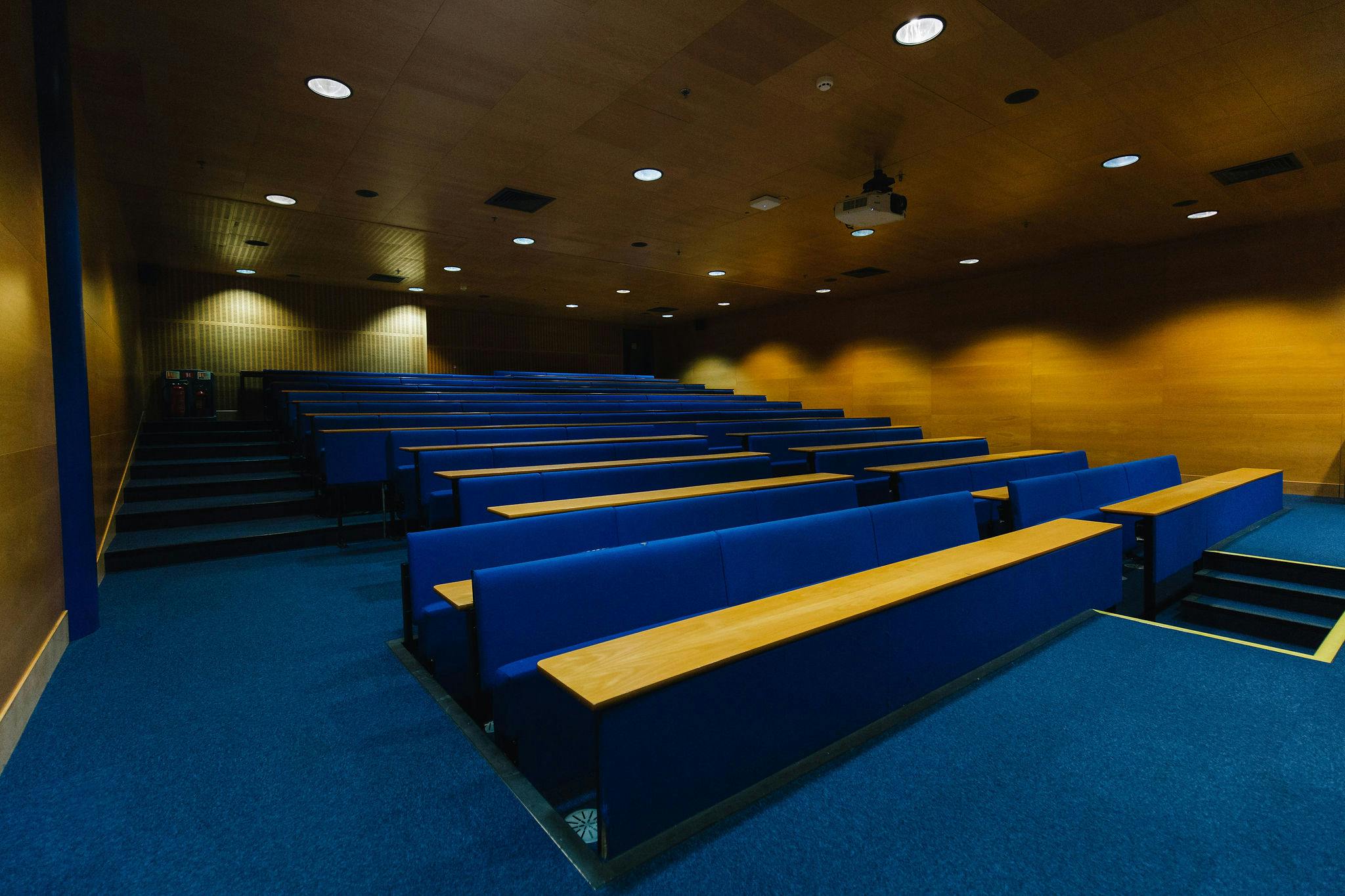
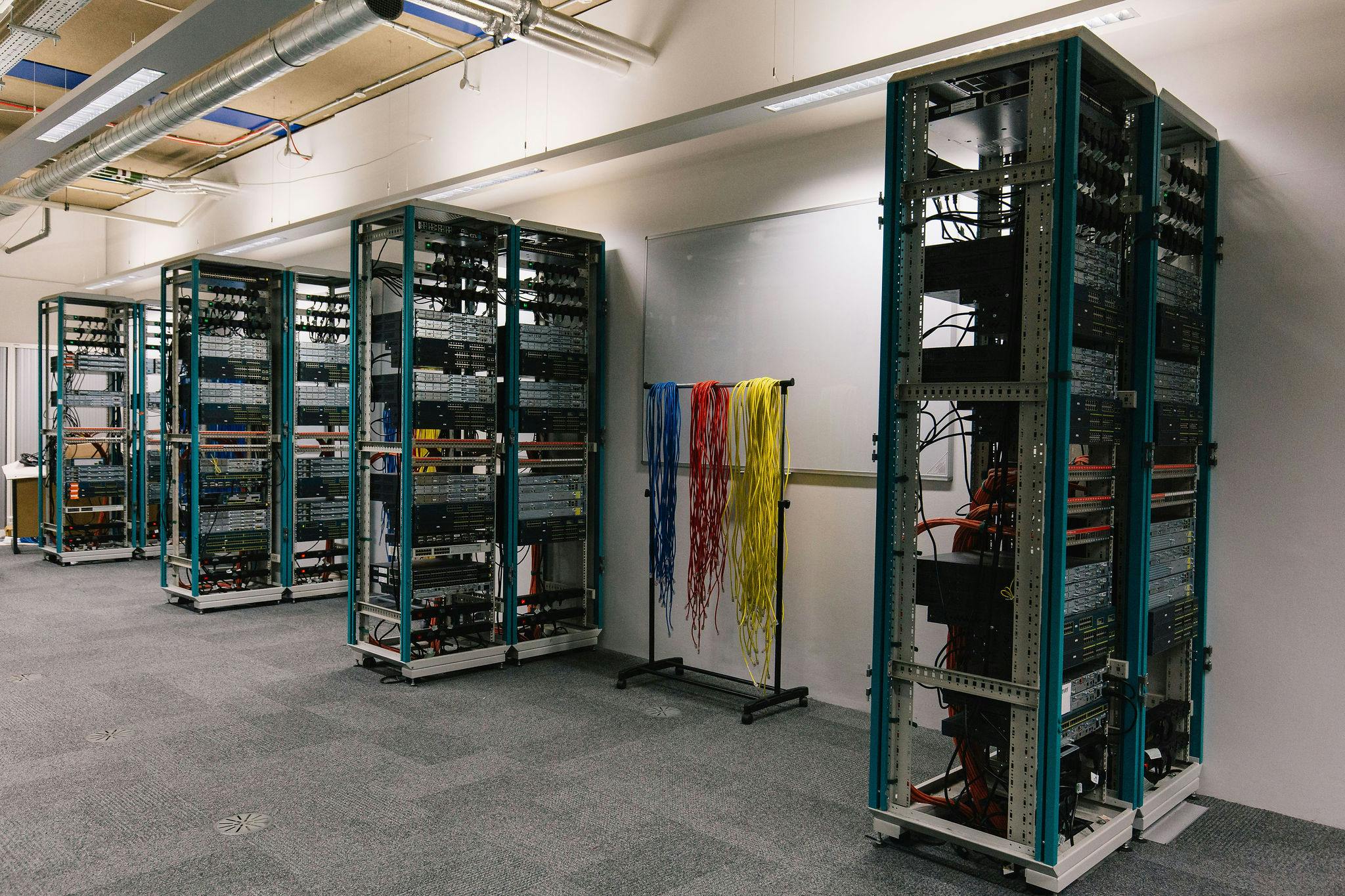
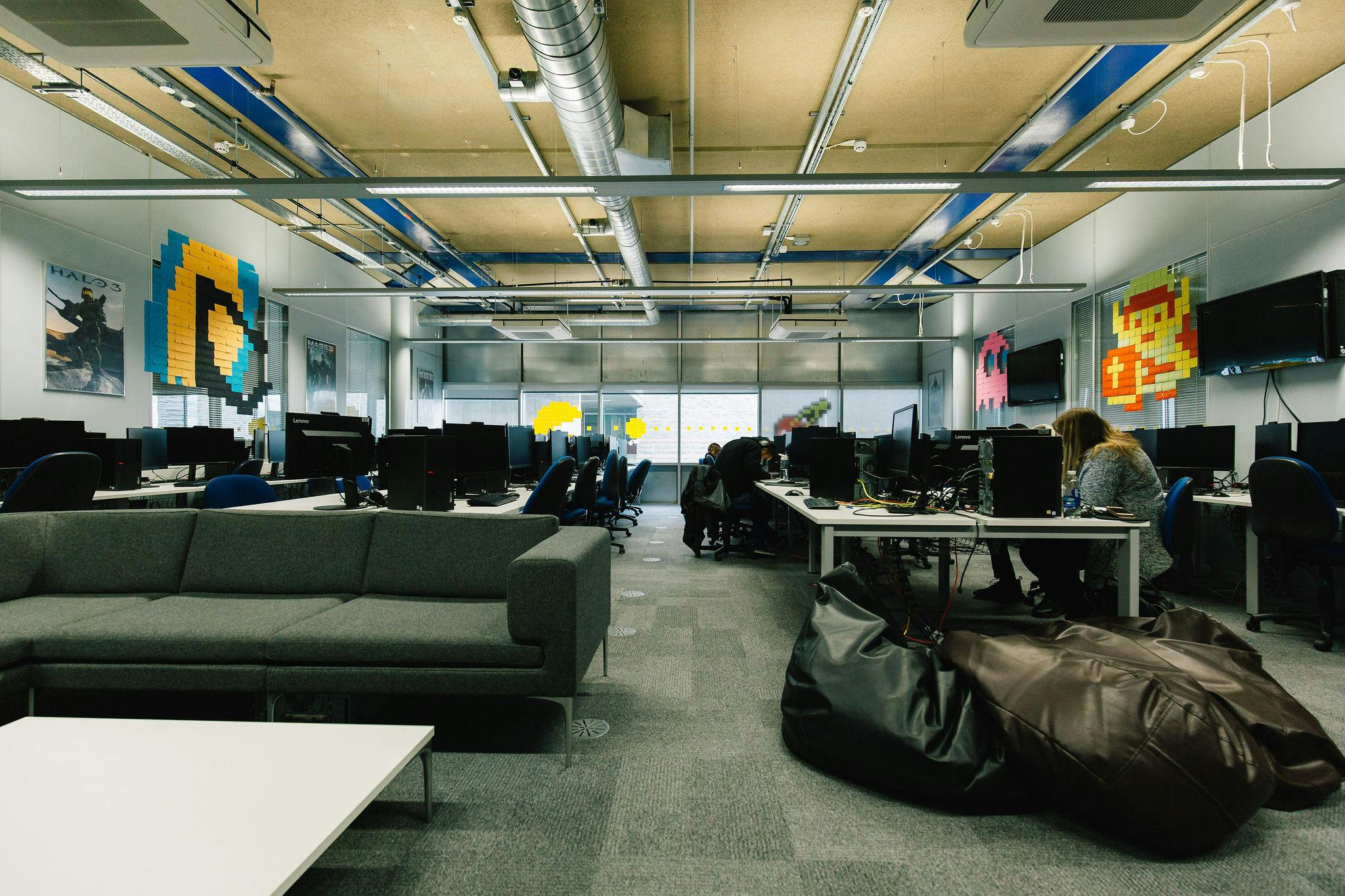

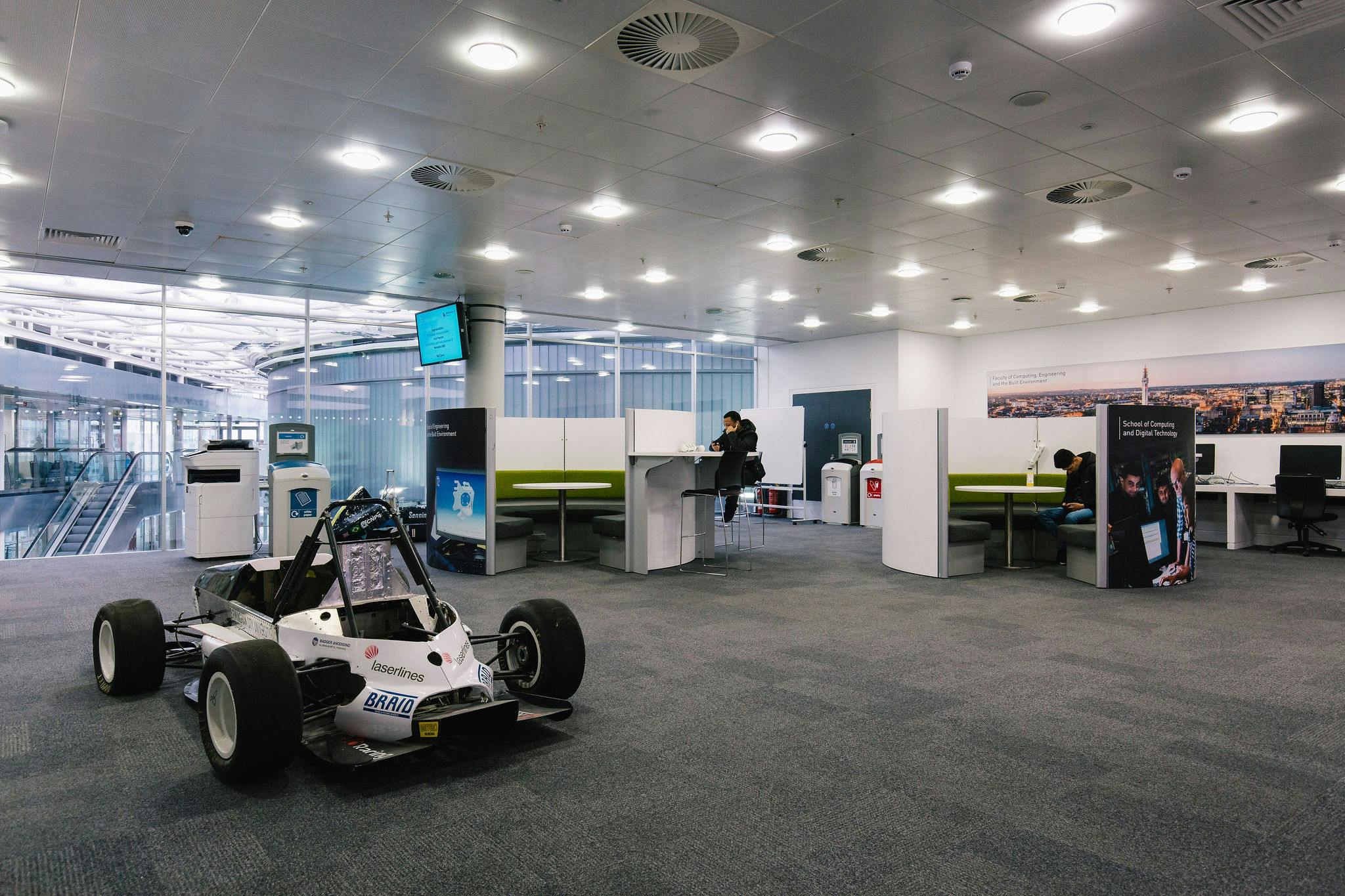
Introducing STEAMhouse
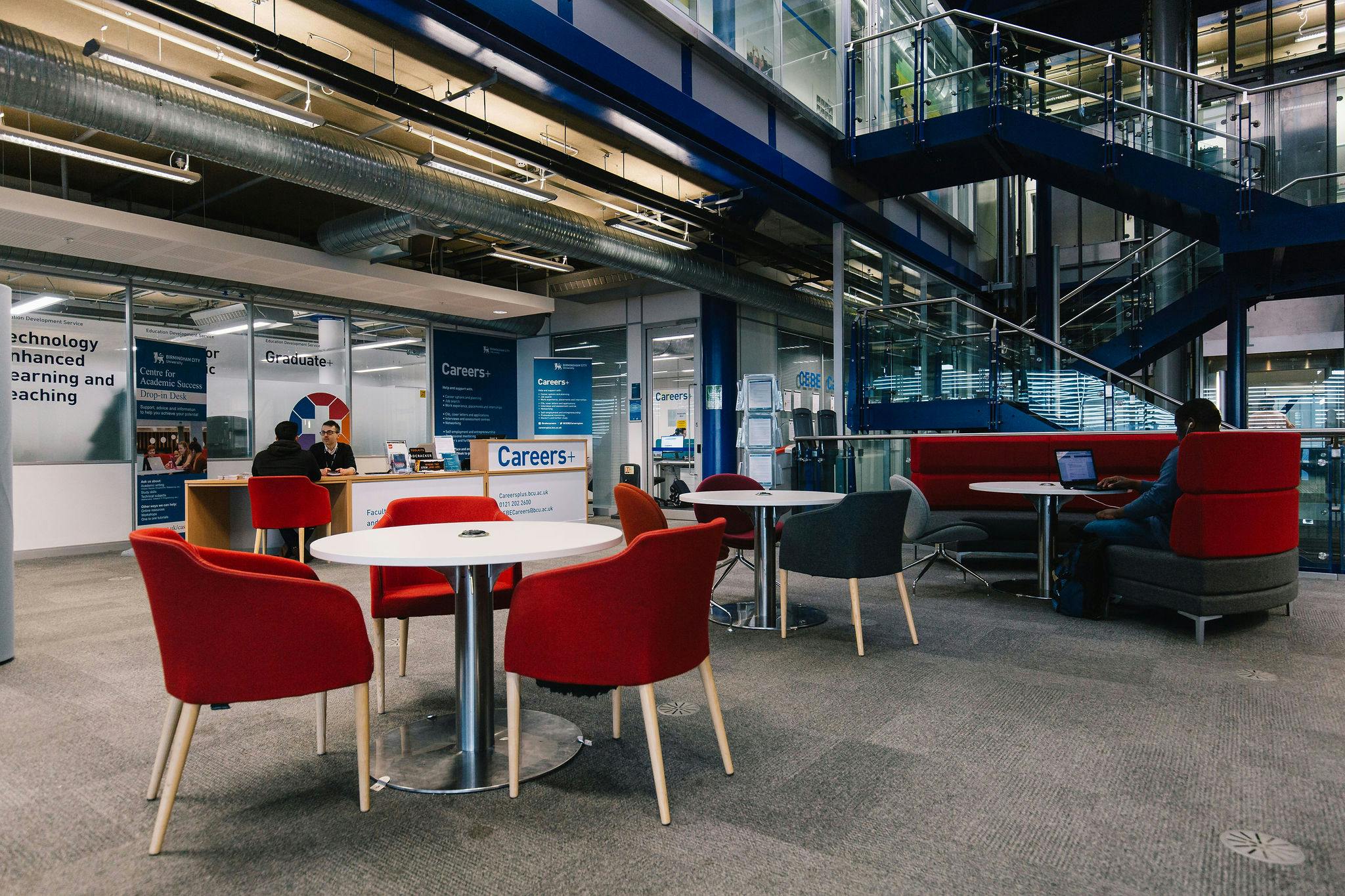
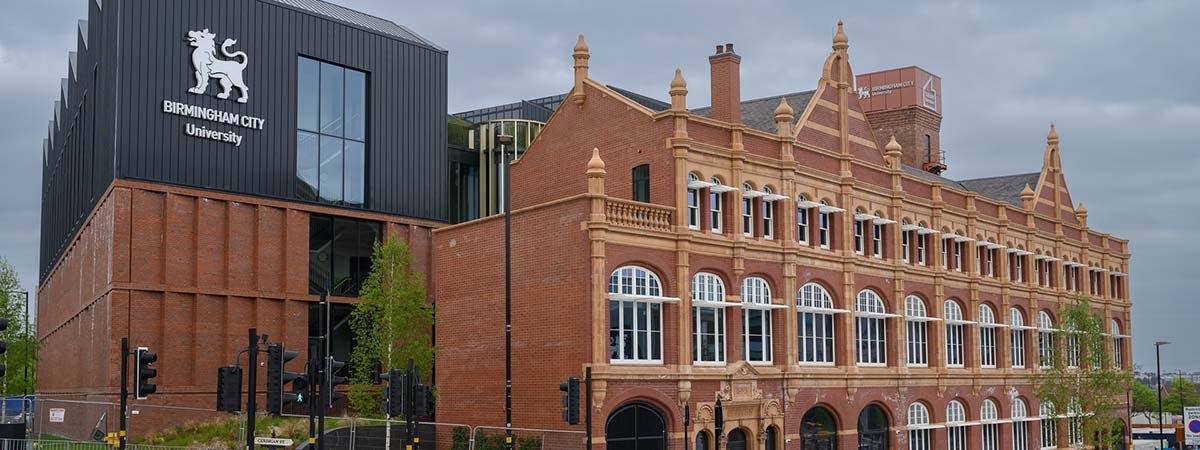
STEAMhouse is a centre for technology, innovation, creative thinking, prototyping and business development. Our brand new £70 million pound building is the new home for the School of Computing and Digital Technology.
What's covered in this course?
Studying computing with us puts you at the heart of an exciting, innovative community. You will study the fundamental concepts of computer science in your first year, including computer programming, data structures and algorithms, information systems, computer networks and computer architecture.
Part of your first-year assessment will involve taking part in our annual Innovation Fest, where students get together to solve society’s problems with creative technology. Previous projects have included medical assistance drones, accessible gaming controllers, and smart housing solutions. The event brings together students, academics and industry guests, so it’s a great way to have fun, build experience and network, and win prizes!
In your second year, you will consolidate your learning by studying advanced subjects that emphasise software engineering skills. You will also be introduced to topics such as operating systems, cyber security, discrete mathematics, and web application development.
In your final year, you will broaden your understanding of computer science by studying specialised subjects like artificial intelligence, cloud computing and wearable computing. In addition, you will complete an individual project in order to demonstrate your technical skills and general employability in preparation for career progression. The individual project simulates typical graduate workplace tasks that require in-depth knowledge and skills in a specific area of computer science. This will include consideration of wider issues and the ability to manage activities and resources, and to generate, implement and report on solutions to meet task objectives.
During your course, you’ll have the opportunity to take a sandwich placement year between your second and third year. This is something we recommend highly, as it will give you an invaluable opportunity to hone your expertise, try out a potential career path and get relevant workplace experience that is valued by many employers. It will also boost your CV.
Throughout your studies, you’ll be supported by our expert teaching staff, all of whom have a wide range of research and industrial experience in areas such as computer security and software engineering, which they use to enhance the curriculum.
This Computer Science course has been carefully designed to provide you with a comprehensive academic background that combines the professional skills that will set you apart from your peers.
You’ll be based in the Millennium Point building in our City Centre Campus, where you’ll have at your fingertips an array of professional-standard facilities with which to develop your key practical skills and consolidate your academic learning.
Thanks to our strong partnerships with the Linux Professional Institute (LPI) and the Oracle Academy, you’ll have enviable access to leading industry knowledge. This is complemented by the Cisco Systems and Microsoft Academy Centre, both situated in-house.
Professional Placement Year
This course offers an optional professional placement year. This allows you to spend a whole year with an employer, following successful completion of your second year, and is a great way to find out more about your chosen career. Some students even return to the same employers after completing their studies.
If you choose to pursue a placement year, you will need to find a suitable placement to complement your chosen area of study. You will be able to draw on the University’s extensive network of local, regional, and national employers, and the support of our Careers teams. If you are able to secure a placement, you can request to be transferred to the placement version of the course.
Please note that fees are payable during your placement year, equivalent to 20% of the total full-time course fee for that year.
Accredited By
This course is accredited by:

My studies helped me a great deal, they gave me the knowledge needed to be a successful developer and an all-round software literate. The great thing about my course is that it focused on all aspects of software which is a great attribute to have when searching for a job. Ansar Nazir
Attaullah Shahbazkail
In Afghanistan, Attaullah’s disability stopped him receiving an education, so he never thought university would be a part of his future. With support from our disability team, his determination and perseverance has helped him achieve his dreams.
Read in fullWhy Choose Us?
- Brand new facilities at STEAMhouse - This state-of-the-art building is the new home for our Computing courses. Based at our expanding City Centre Campus, this unique centre will give you access to outstanding facilities and teaching spaces, as well as opportunities to collaborate with people and businesses across multiple sectors and work on real industry-based projects.
- State-of-the-art facilities - You will be based at our Millennium Point building, at City Centre campus that has recently had £6.5 million invested in IT facilities. You’ll be able to undertake work in artificial Intelligence, human computer interaction, mobile and web application development and project management.
- Home to Microsoft Academy Centre - We are one of Microsoft’s top UK university-based academics and a member of the Microsoft Developer Network Academic Alliance. This means we are able to use various Microsoft software products and online resources for research.
- Accredited by BCS, The Chartered Institute for IT – The course meets standards set by the profession.
- Industry connections - We are also a Cisco ASC and one of only ten Cisco Instructor Training Centre’s in the UK. We have strong industry links with companies such as Apple, Oracle, LPI, Microsoft and AWS, to ensure that the course content remains up-to-date and is relevant to employers.
- Gain vendor certificates - Including LPI 1 Beta certification and Cisco networking certificates, while studying your degree.
Similar Courses
Computer and Data Science - BSc (Hons)
Open Days
Join us for an on-campus Open Day where you'll be able to meet us in person. Booking for the next event isn’t open yet. Register your interest below and we’ll email you as soon as booking goes live.
Next Open Day: 29 June 2024
Entry Requirements
These entry requirements apply for entry in 2024/25.
All required qualifications/grades must have been achieved and evidenced at the earliest opportunity after accepting an offer to help confirm admission and allow for on-time enrolment. This can also include other requirements, like a fee status form and relevant documents. Applicants can track their application and outstanding information requests through their BCU mySRS account.
Essential requirements
112 UCAS tariff points
Please note: If you qualify for our BCU Accelerate scheme, you could receive an offer that is two grades below our normal entry requirements. Find out more about BCU Accelerate.
If you have a qualification that is not listed, please contact us.
Fees & How to Apply
UK students
Annual and modular tuition fees shown are applicable to the first year of study. The University reserves the right to increase fees for subsequent years of study in line with increases in inflation (capped at 5%) or to reflect changes in Government funding policies or changes agreed by Parliament. View fees for continuing students.
Award: BSc (Hons)
Starting: Sep 2024
- Mode
- Duration
- Fees
- Full Time
- 3 years
- £9,250 in 2024/25
- Apply via UCAS
International students
Annual and modular tuition fees shown are applicable to the first year of study. The University reserves the right to increase fees for subsequent years of study in line with increases in inflation (capped at 5%) or to reflect changes in Government funding policies or changes agreed by Parliament. View fees for continuing students.
Award: BSc (Hons)
Starting: Sep 2024
- Mode
- Duration
- Fees
- Full Time
- 3 years
- £16,085 in 2024/25


Guidance for UK students
UK students applying for most undergraduate degree courses in the UK will need to apply through UCAS.
The Universities and Colleges Admissions Service (UCAS) is a UK organisation responsible for managing applications to university and college.
Applying through UCAS
- Register with UCAS
- Login to UCAS and complete your details
- Select your course and write a personal statement
- Get a reference
- Pay your application fee and submit your application
Guidance for International students
There are three ways to apply:
1) Direct to the University
You will need to complete our International Application Form and Equal Opportunities Form, and submit them together with scan copies of your original academic transcripts and certificates.
2) Through a country representative
Our in-country representatives can help you make your application and apply for a visa. They can also offer advice on travel, living in the UK and studying abroad.
3) Through UCAS
If you are applying for an undergraduate degree or a Higher National Diploma (HND), you can apply through the UK’s Universities and Colleges Admissions Service (UCAS).
You can request a printed form from your school or nearest British Council office. You will be charged for applying through UCAS. Birmingham City University’s UCAS code is B25 BCITY.
Personal statement
UK / EU students are required to submit a personal statement as part of their application for this course.*
The personal statement gives you a crucial opportunity to say why you’re applying and why the institution should accept you.
Here are the key areas you’ll need to address:
- Course choice - Why does this course appeal? What areas are of particular interest?
- Career plans - If you have a specific career in mind, say how your chosen course will help you pursue this goal.
- Work experience - Mention any work that is relevant to your subject, highlighting the skills and experience gained.
- School or college experience - Highlight skills gained at school/college, eg summer schools or mentoring activities.
- Non-accredited skills or achievement - eg Duke of Edinburgh Award, Young Enterprise scheme.
You should also mention your future plans – if you’re planning to take a year out, don't forget to give your reasons. Talk about any subjects you’re studying that don’t have a formal assessment and any sponsorships or placements you’ve applied for. And don't be scared to add in details about your social, sports or leisure interests.
Worried about Personal Statements?
If you've got no idea where to start or just want to check you're on the right track, we’ve got expert advice and real examples from our students to help you nail your personal statement. You can even download our ultimate personal statement guide for free.
*Non-EU students are not required to submit a personal statement when applying for this course.
Course in Depth
Year one
In order to complete this course, you must successfully complete all the following CORE modules (totalling 120 credits).
This introductory computer programming module provides the underpinning knowledge and practice for computing students to design, build and test software components. The module will make use of practical sessions primarily to allow you to apply programming principles and constructs in order to creatively solve problems by means of developing small programs. Module content and assessment enables learners to acquire programming skills in a modern imperative language.
Within the Computer Systems Module, you will gain knowledge and experience of computers and computer hardware.
This module presents a holistic view of how computer systems work and it also provides the underpinning knowledge required:
- for the design of computer architecture
- to show how software interacts with hardware
- to apply electronics principles
- to use number systems for computer technology
This module provides the underpinning skills necessary to develop an effective web based information system based around a clear understanding of the visual requirements of an interface, a structured design approach and the technical skills necessary to implement a solution.
Data structures and algorithms are essential in computer science, software engineering, and computer games and graphics programming. Data structures are structured representations of data; the design of a data structure determines how operations (such as reading to, writing from, modifying, or computing with the data) can be achieved. An algorithm is a set of instructions which can be followed in order to solve a computational problem.
The module provides the opportunity to learn and critically reflect the skills required in building and designing basic networks and their requirements within a network infrastructure. This module builds on the underpinning knowledge and theory of networking systems.
The module consists of:
- Subject specific lectures/laboratory sessions to introduce knowledge and skills relevant to network and information systems, along with communication architecture
- Lectures/laboratory sessions to introduce principles and techniques for information communication within a network and ensuring effective communication
- Global view on information system communication.
This first-year project allows you to develop and cultivate a creative mind-set through collaborative innovative practice, allowing you to bring together knowledge and imagination to construct a viable product. It is an opportunity to express your ideas, skills and talent to the wider community of innovative practice.
The project provides you with an opportunity to be part of a thriving community of innovators that practices connected learning. This is facilitated by putting you into inter-disciplinary project teams supported by innovation mentors, advisors and academics; culminating in you exhibiting your work to an international panel of experts.
Year two
In order to complete this course, you must successfully complete all the following CORE modules (totalling 120 credits).
Programming is an engineering tool that plays a vital role to drive most of the modern technologies surrounding us, including the technological devices for communication, transportation and entertainment. In other words it can be said that our modern lifestyles are heavily dependent on programming.
Moreover, businesses increasingly rely on computers and the software run on them. Programming skills and a broader and deeper understanding of programming are therefore becoming increasingly important to the jobs market.
This module will provide an introduction to fundamental concepts associated with operating systems and will lay the foundations for other Computer Science modules that will require a broad understanding of operating systems principles.
A good understanding of operating systems is very important for computer scientists in order to design efficient solutions to a wide range of programming problems including concurrent programming, resource management and performance analysis.
The vast majority of web applications are connected to databases for the purpose of storing and retrieving information. On this module you will be introduced to relevant concepts and technologies, applying them to the development of such applications. You will gain knowledge and skills concerning data modelling (entity-relationship models) and relational database implementation and administration (using SQL).
You will also acquire new programming skills (e.g., writing server-side scripts in PHP) in order to produce applications that provide useful functionality. You will also gain practical experience in the use of web frameworks to develop web applications to enhance your employability skills.
This module embeds core discrete mathematics concepts relevant to programmers, within the context of programming. We will use sound abstract reasoning techniques to design and produce computer programs within the declarative paradigm. Finally, these solutions will be tested and evaluated against their functional requirements using a number of testing and verification techniques
Computer Scientists need to address the realities of the application of their field within an environment where cyber security threats present unique challenges to application and system developers, in relation to the requirement for secure design and operation.
This module provides a foundation for security consideration as required in the design of software expected to perform within a networked and data sharing environment. This module has been designed to provide the necessary theoretical framework, foundations and practical support for effectively pursuing security solutions with reference to the requirement for secure application development.
This module is about software engineering with a focus on software design. It covers three stages of the software engineering life-cycle, requirements, design and implementation, but with a focal point on design and an emphasis on the design theme.
The module provides the necessary skills to:
- construct models of requirements and designs,
- synthesise implementations from design models,
- apply software design patterns.
The standard UML is used as the modelling language, the vehicle through which important design concepts are explored to convey a software engineering ethos based on getting it right by adequately studying the problem and mindfully constructing designs of software solutions.
Professional Placement Year (Optional)
In order to qualify for the award of BSc (Hons) Computer Science with Professional Placement Year a student must successfully complete the following module.
This module is designed to provide you with the opportunity to undertake a credit bearing, 40- week Professional Placement as an integral part of your Undergraduate Degree.
The purpose of the Professional Placement is to improve your employability skills which will, through the placement experience, allow you to evidence your professional skills, attitudes and behaviours at the point of entry to the postgraduate job market. Furthermore, by completing the Professional Placement, you will be able to develop and enhance your understanding of the professional work environment, relevant to your chosen field of study, and reflect critically on your own professional skills development within the workplace.
Final Year
In order to complete this course, you must successfully complete all the following CORE modules (totalling 120 credits).
The purpose of the module is to enable you to undertake a sustained, in-depth and research-informed project exploring an area that is of personal interest to you. In agreement with your supervisor, you will decide upon your topic which will take the form of a practical outcome (artefact) with accompanying contextual material. The main consideration when choosing your topic is that it must be aligned to the programme you are studying, and you should consider the relevance of this topic to your future academic or professional development.
At this level, you will be expected to work independently but you will receive additional one-to-one support from your supervisor, who will be familiar with your chosen topic area. As you progress on the module, extra support will be available and this may take the form of group seminars, workshops and online materials that will help to develop your project.
This module will focus on combining theoretical concepts around user experience design with practical “hands-on” approaches used widely in industry and academia to create effective interactive experiences. You will learn about the user-centred design process that places a core emphasis on designing products, applications, and software for “people”.
In particular, you will learn techniques for gathering and understanding a target audience’s requirements, the importance of universal design and accessibility, and methods for undertaking rapid prototyping.
An emphasis will also be placed on gaining practical experience in designing and conducting usability studies, as well as how to incorporate key findings back into the design process. You will apply this knowledge to design and evaluate an innovative digital prototype using industry standard tools.
Artificial Intelligence (AI) is a core component of computer science, aiming at developing intelligent agents that mimic human’s cognitive capability in learning, reasoning, and problem solving.
As a branch of AI, machine learning (ML) allows to create software that adapts and learns (from examples), rather than being explicitly programmed for a particular outcome. Both AI and ML rely on managing, processing and analysis of large datasets, something that Data Science (DS) is concerned with. Many services provided by technology giants such as Google, Microsoft, IBM, Facebook, Amazon, etc. are powered by DS, ML and AI. The recent advances in these subjects have already led to significant industrial applications such as self-driving cars and Industry 4.0.
One of the major objective of the computer science course is to introduce the theory, principles and technologies underlying the construction of modern computing systems. This module introduces Cloud Computing, which is the technology that enables on-demand computing resources (everything from applications to data centres) over the Internet.
This technology has revolutionized modern computing by allowing users to access infinite pool of computing services and resources on a pay-per-use basis. This module introduces the fundamental concepts and technologies related to cloud computing architecture, platforms and services. The module follows a practical approach to equip the students with hands-on experience of cloud computing by using a public Cloud service, such as Amazon Web Services.
Mobile technologies, particularly in the form of smart phones, are now the de-facto mode for us to communicate and navigate information. Building on this success, wearables have the potential to make computer technology ubiquitous. Although encompassing many forms, probably the most prevalent example of wearables is seen in the emergence of powerful ‘smart watches’.
This module explores the direction mobile and wearable technologies are taking and aims to equip students with the essential design and programming skills to develop their own robust, usable and ubiquitous applications for at least one of the most popular mobile and smart watch platforms (such as Google’s Android / Wear and Apple’s iOS / watchOS).
Download course specification
Download now
Knowledge and understanding are acquired though a mixture of formal lectures, tutor-led seminars and practical activities, with other independent learning activities at all stages.
Emphasis is placed on guided, self-directed and student-centred learning with increasing independence of approach, thought and process.
The course provides access to effective commercial development environments and ensures students have practical awareness of computer systems requirements. You are required to meet strict deadlines, and to manage and plan your overall workload.
Knowledge is assessed formatively and summatively, by a number of methods, including seminars, course-work, viva, presentation, interactive automated assessment, formal examination and project work.
Assessment criteria are published both at a generic course level and to provide guidance for individual items of assessment. Anonymous marking systems are in place for all formal examinations.
You will undertake a major project involving research and application of that research in the solution of appropriate systems problems.
Attendance requirements
For more information on attendance requirements, course contact time and suggested self-study hours, download the course specification.
Student stories

Marcus Miller
Marcus Miller always had an interest in computers but a boarding school education saw that fade. After a few years in employment, he rekindled his passion – undertaking a Computer Science degree at Birmingham City University. Since then, he has set up his own successful SEO consultancy company, Bowler Hat.
Marcus enjoyed every element of his course; almost having too much fun. He had some great teachers and was generally very inspired. Our Computer Science BSc (Hons) course sparked his interest in web technologies, which led to the creation of Bowler Hat.
This course is accredited by the following organisations:
Our accreditations from these bodies show employers that you have the level of knowledge and skills they need when you graduate.

BCS, The Chartered Institute for IT
This degree has been accredited by BCS, The Chartered Institute for IT. Accreditation is a mark of assurance that the degree meets the standards set by BCS. An accredited degree entitles you to professional membership of BCS, which is an important part of the criteria for achieving Chartered IT Professional (CITP) status through the Institute. Some employers recruit preferentially from accredited degrees, and an accredited degree is likely to be recognised by other countries that are signatories to international accords.

Engineering Council Accredited Degree
This degree has been accredited by BCS, The Chartered Institute for IT on behalf of the Engineering Council. Accreditation is a mark of assurance that the degree meets the standards set by the Engineering Council in the UK Standard for Professional Engineering Competence (UK-SPEC). An accredited degree will provide you with some or all of the underpinning knowledge, understanding and skills for eventual registration as an Incorporated (IEng) or Chartered Engineer (CEng). Some employers recruit preferentially from accredited degrees, and an accredited degree is likely to be recognised by other countries that are signatories to international accords.

Athena Swan Bronze Award
We have successfully secured the Athena SWAN Departmental Bronze Award recognising a commitment to gender equality.
The Athena Swan Charter is a framework which is used across the globe to support and transform gender equality within higher education (HE) and research.
Employability
Enhancing your employability skills
Our graduates typically design and implement software across such rewarding areas as web development, interface design, security issues and mobile computing.
We know that employers are looking for graduates who have a good balance between in-depth academic knowledge and technical and practical expertise, which is why our course is geared towards employability.
What you learn on our course will help you to stand out when you look for your first professional role and because you’ll know how to use sophisticated, industry-standard equipment and software, you will be able to demonstrate that you can put into practice your deep theoretical knowledge.
We will also prepare you for a career by equipping you with myriad transferable skills, such as complex problem-solving expertise, the ability to analyse in a careful and considered manner, and working as a team member.
In addition, our specialist industry links with the Linux Professional Institute, the Oracle Academy, Cisco, and Microsoft, Apple, and Oracle, plus our world-class facilities, will mark you out as a highly employable graduate.
It’s why our graduates have gone on to pursue computing and software development and designer careers in a wide range of industries, from SME software companies, to industry, government, banking, and healthcare.
Further Study
Successful completion of the course can open up opportunities for employment in IT industry, but you may think to continue your studies at postgraduate level, studying a computer science subject in greater detail by means of MSc or PhD.
According to the UK Commission for Employment and Skills (2014) observation, one in seven jobs will require a postgraduate qualification by 2022. All these facts indicate the contribution of postgraduate study to employability is increasingly significant.
Placements
We aim to have you employer-ready by the time you graduate and, as part of your Computer Science course, you have the option of undertaking an industrial placement after the second year of study.
If you decide to do this, it will extend the duration of your course to four years.
Thanks to our excellent partnerships and working relationships with some of the UK’s leading companies, you have the chance of undertaking a high-quality industrial placement with leading organisations such as IBM, Dignity Plc, Mortgage Brain, and Griffiths-Waite.
Learn more about some of the prestigious organisations that our students are placed with:
Full details can be found on the School placements page.
International
Birmingham City University is a vibrant and multicultural university in the heart of a modern and diverse city. We welcome many international students every year – there are currently students from more than 80 countries among our student community.
The University is conveniently placed, with Birmingham International Airport nearby and first-rate transport connections to London and the rest of the UK.
Our international pages contain a wealth of information for international students who are considering applying to study here, including:
- Explore some of the good reasons why you should study here.
- Find out how to improve your language skills before starting your studies.
- Find all the information relevant to applicants from your country.
- Learn where to find financial support for your studies.
Facilities & Staff
Our Facilities
We are constantly investing in our estate and are currently in the process of spending £260 million on new learning facilities. This course will be taught at Millennium Point at the City Centre Campus.
The course is supported with a wide range of cutting-edge facilities in the City Centre Campus. We have a state-of-the-art computer games technology lab which contains high-performance PCs, Sony PlayStation development kits and a range of industry standard software including Unity, Unreal and a suite of professional Microsoft development tools.
We also have many open access areas where students can study together and even hire out laptops for use in these spaces and others within the university.
Within the University there are many internationally recognised research teams giving you the opportunity to collaborate with them on exciting interdisciplinary projects.

Computer networking
The laboratories are well-equipped for all our computer networking courses, as well as specialist areas for practical work such as voice-over internet protocol (VoIP), forensic and ethical hacking technologies, wireless and mobile technologies and radio frequency identification technologies to name but a few.

Software development and computer programming
There are a number of open access, software development and computer programming laboratories that can be used to develop systems and programmes, including database management systems such as MySQL, to name but a few.
Systems laboratories
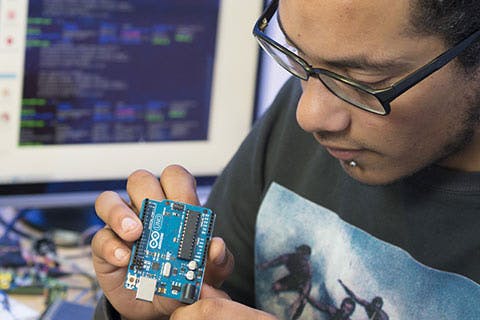
Our embedded systems laboratories are used to develop real-time systems, such as specialist hardware training and development resources, and industrial-standard software development and simulation tools. These include microcontroller software and robotics design and development, to name but a few.
Electronic systems
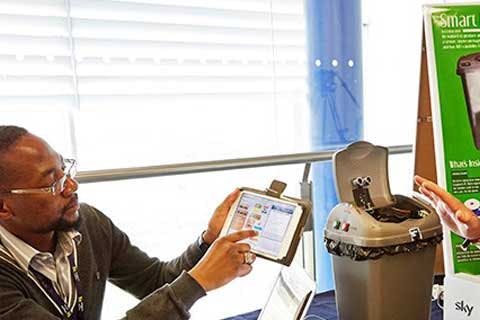
To underpin the basic principles of electronic systems, we have a well-equipped laboratory of general and specialist test and measurement kits, including powered prototyping development boards, dual power supplies, frequency generators and counters and digital multi-meters to name but a few.
Forensic computing
Our successful development of forensic computing has led to a specialist forensics laboratory that is fully equipped with essential hardware and software for this sensitive area of study. The laboratory includes high-spec PCs with built-in multi interface Tableau write blockers, EnCase and FTK computer forensic software and steganography detection and analysis software, to name but a few.
More on our facilities
Our staff
Dr Abdel Rahman H. Tawil
Associate Professor in Software Engineering
Abdel-Rahman H. Tawil is currently an Associate Professor at the School of Computing and Digital Technology. He received his BSc in Computer Science from the University of Jordan in Amman and his PhD is in the area of Semantic Interoperability in Heterogeneous and Distributed Multiple-Information Servers Environment from Cardiff University, Cardiff...
More about Abdel RahmanDr Khaled Mahbub
Associate Professor in Software Engineering
Khaled started his academic career, in September 1999, as a Lecturer (US hierarchy) in Computer Science & Engineering at the Department of Computer Science and Engineering, Ahsanullah University of Science and Technology, Dhaka, Bangladesh, where he worked until March 2001.
More about KhaledDr Iain Rice
Senior Lecturer
Dr Rice is a specialist in Machine Learning and Signal Processing with several years of experience applying AI models to a wide range of real-world problems. As the head data scientist for The RAPID Project Iain created algorithms allowing for up to 12 hours advanced prediction of cardiac arrest in children.
More about IainProfessor Chris Creed
Professor in Human-Computer Interaction
Professor Creed specialises in the area of Human-Computer Interaction and has extensive experience in leading collaborative technical projects exploring the use of innovative technologies. His core research interest is around the design and development of assistive technology for disabled people across a range of impairments. He also leads the ...
More about ChrisDr Roger Tait
Senior Lecturer in Distributed Computing
Dr Roger Tait is an experienced software engineer with more than 15 years of service in academic research environments. He completed his PhD, in the field of Parallel Architectures, in 2007 at Nottingham Trent University. After graduating he joined the Centre of Innovation and Technology Exploitation at Nottingham Trent University as a research...
More about RogerDr Sara Hassan
Senior Lecturer in Software Engineering
Sara is a full-time Senior Lecturer in software engineering. She received her PhD in Computer Science in 2019 from University of Birmingham, UK. She worked as a teaching assistant for Software Engineering 2015-2019 at the University of Birmingham, UK. Prior to that she got her MEng in Computer Science with Software Engineering from...
More about SaraJay Patel
Senior Lecturer
Jay is a Lecturer in the School of Digital Media Technology. Jay has been involved with the delivery of ERDF projects. Since the successful completion of these projects he has moved into teaching. He currently delivers a variety of modules such as Audio Visual Technology, Moving Image Technology and Mathematics for Media.
More about Jay